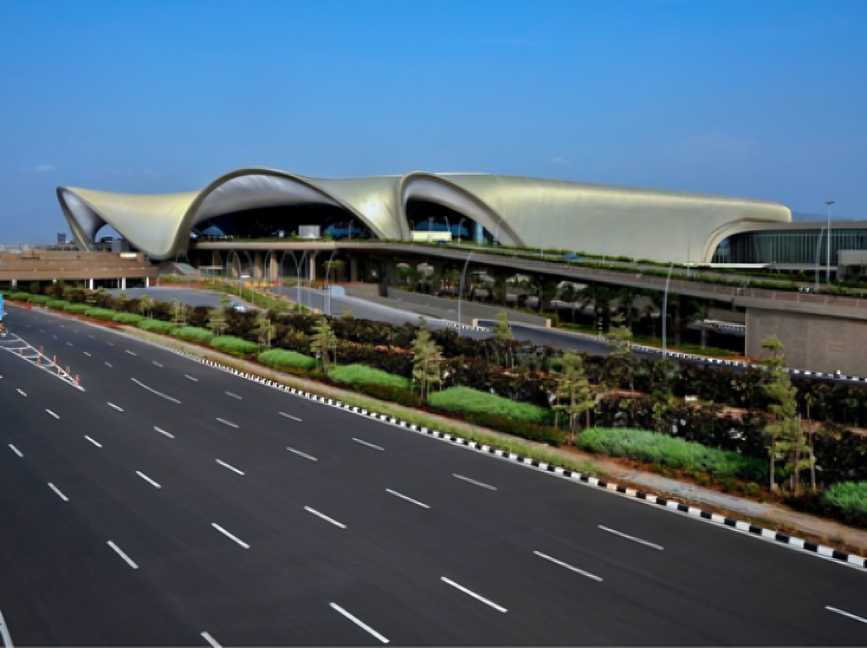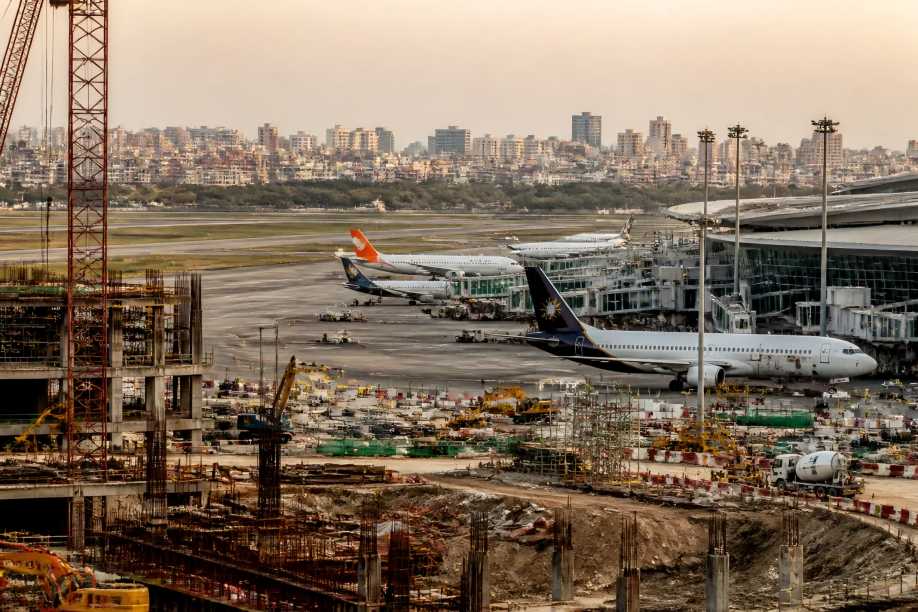

Mumbai airport’s redevelopment plans have triggered a growing dispute over how limited terminal capacity should be managed during the transition, with airlines raising concerns over proposed reductions in international operations and the temporary shift of flights to Navi Mumbai.
Mumbai International Airport Ltd (MIAL), which operates Chhatrapati Shivaji Maharaj International Airport, plans to redevelop Terminal 1 in phases from January 2027. The work is expected to displace around five million domestic passengers annually, prompting MIAL to accommodate additional domestic operations at Terminal 2.
Since Terminal 2 already handles international services, the airport operator has proposed temporarily reducing or relocating 265 of its 770 weekly international departures from October 25. The move could affect 46 airlines. MIAL has asked carriers to indicate by 4 pm on October 6 which services they are prepared to discontinue temporarily or shift.
If airlines do not provide their choices, MIAL has indicated that it could allocate the available slots based on operational capacity and implementation requirements. The Civil Aviation Ministry is also scheduled to meet MIAL and airlines to discuss the issue.
The proposed changes have drawn objections from carriers, who have sought greater clarity on the airport’s capacity calculations and consultation process. The International Air Transport Association (IATA) has described the proposed relocation as a “forced relocation”, while airlines have argued that moving services between Mumbai and Navi Mumbai could increase operating costs and complicate established networks.
The impact varies among carriers. IndiGo faces the largest proposed reduction, involving 74 of its 224 weekly international departures from Mumbai. Air India could see 33 of its 100 weekly international departures affected, while Akasa Air faces 11 of 32 and Air India Express seven of 21. Emirates and Etihad are each facing reductions of 10 weekly departures.
MIAL and Adani Airports have maintained that the Terminal 1 redevelopment is necessary given the terminal’s age and safety requirements. Once completed, Terminal 1 is expected to have 33% higher capacity. During construction, however, MIAL wants Terminal 2 to absorb displaced domestic passengers, creating pressure to reduce international operations.
Navi Mumbai International Airport has emerged as an alternative for some international flights. MIAL has proposed shifting selected services there temporarily until the redevelopment is completed. However, airlines have questioned whether the new airport’s transport links and surrounding infrastructure are sufficiently prepared to absorb a large increase in international passengers.
For travellers, the issue extends beyond airport capacity. Moving flights to Navi Mumbai could mean longer road journeys and higher surface-transport costs for passengers accustomed to Mumbai airport. The higher user development fee at Navi Mumbai could also add to expenses, although measures such as cash vouchers have reportedly been proposed to offset part of the difference.
The dispute has therefore evolved into a wider question of metropolitan aviation planning. While Mumbai needs additional capacity and Terminal 1 requires redevelopment, airlines are seeking a transparent and coordinated transition that considers aircraft rotations, crew deployment, ground handling, cargo, passenger connectivity and airport access.
MIAL says consultations with airlines have been underway since 2020, while airlines have questioned whether the latest capacity decisions were sufficiently discussed. With the October 6 deadline approaching, the Civil Aviation Ministry’s intervention could determine whether the transition is negotiated or implemented largely through the airport operator’s capacity assessment.
Source: Urban Acres