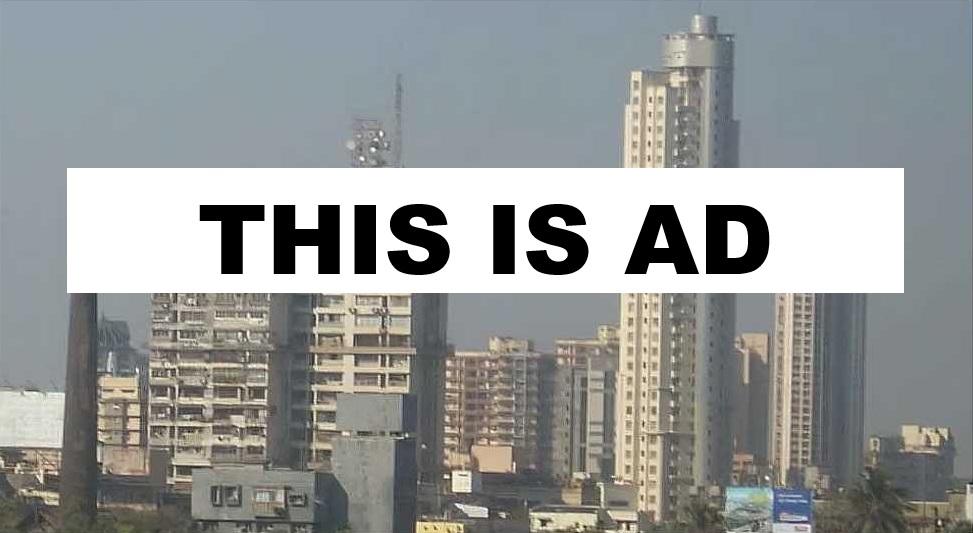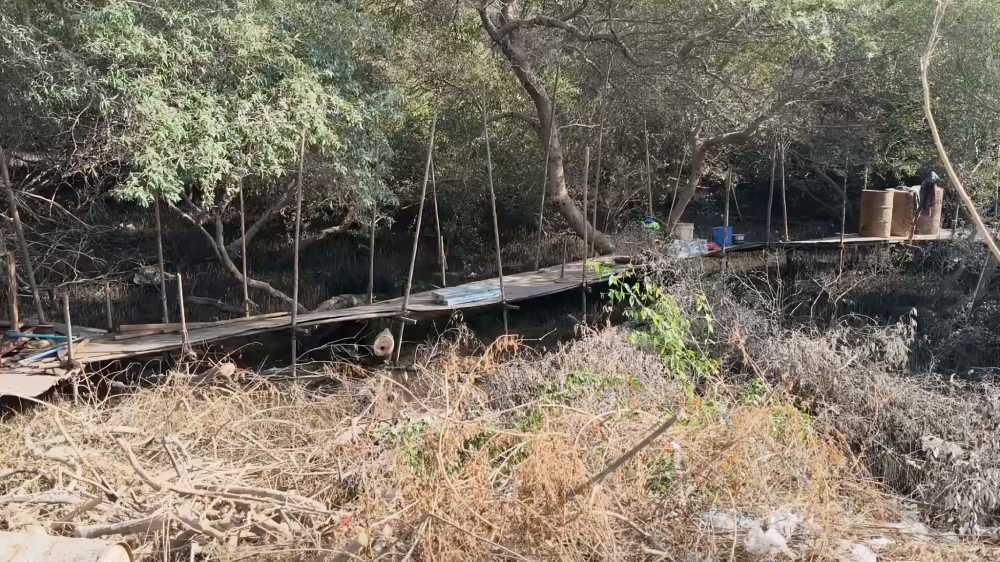

Mumbai’s rapid infrastructure expansion is transforming its urban landscape, but the loss of trees, open spaces and mangroves is raising concerns about rising temperatures and environmental sustainability. The city recorded a temperature of 40°C in March 2026, reaching a five-year high, highlighting the growing threat of extreme heat.
The Mumbai Climate Action Plan records ten heatwaves and two extreme heatwaves between 1973 and 2020, alongside a temperature increase of 0.25°C per decade. Research cited in the report indicates that Mumbai lost 40% of its green cover and 81% of its open spaces between 1991 and 2018, while built-up areas expanded by 66%.
Environmental activist Stalin Dayanand argues that the damage could be permanent. “There is no attempt to provide land for afforestation inside Mumbai. Whatever greenery we are losing, it is a permanent loss,” he warns.
The Metro 3 project reportedly involved cutting 3,093 trees in Aarey Colony. Meanwhile, redevelopment plans in Kurla’s Nehru Nagar have sparked opposition from residents seeking to protect approximately 2,600 trees across a 25-acre former dairy plot. Local group Lok Chalwal has campaigned for the land to become a botanical garden, collecting 10,000 signatures in support.
The Dharavi Redevelopment Project could affect nearly 8,000 trees across its wider development area. Developers have also sought permission to remove 1,693 trees at the site, with 822 proposed for transplantation. At Goregaon’s Motilal Nagar, redevelopment plans have placed hundreds of trees at risk, including those around Ambedkar Maidan and Annabhau Sathe Maidan.
Mangroves face mounting pressure
The Rs 18,000-crore Versova–Bhayandar Coastal Road project is expected to affect around 45,000 mangroves. Environmental groups have challenged the ecological consequences, while fishing communities fear construction could disrupt access to creeks and damage habitats supporting fish and crab populations.
Separately, permission has reportedly been granted to remove 1,237 mangroves for the proposed Versova–Madh Island bridge.
Architect and urban planner Shriya Bhatia highlights how high-density redevelopment and increased building footprints can leave less room for existing trees. She argues that improved street design could help preserve roadside greenery.
With compensatory plantations increasingly planned outside Mumbai because of limited land availability, experts and residents are calling for stronger protection of open spaces, more thoughtful infrastructure planning and greater investment in blue-green infrastructure.
Source: Citizens Matter