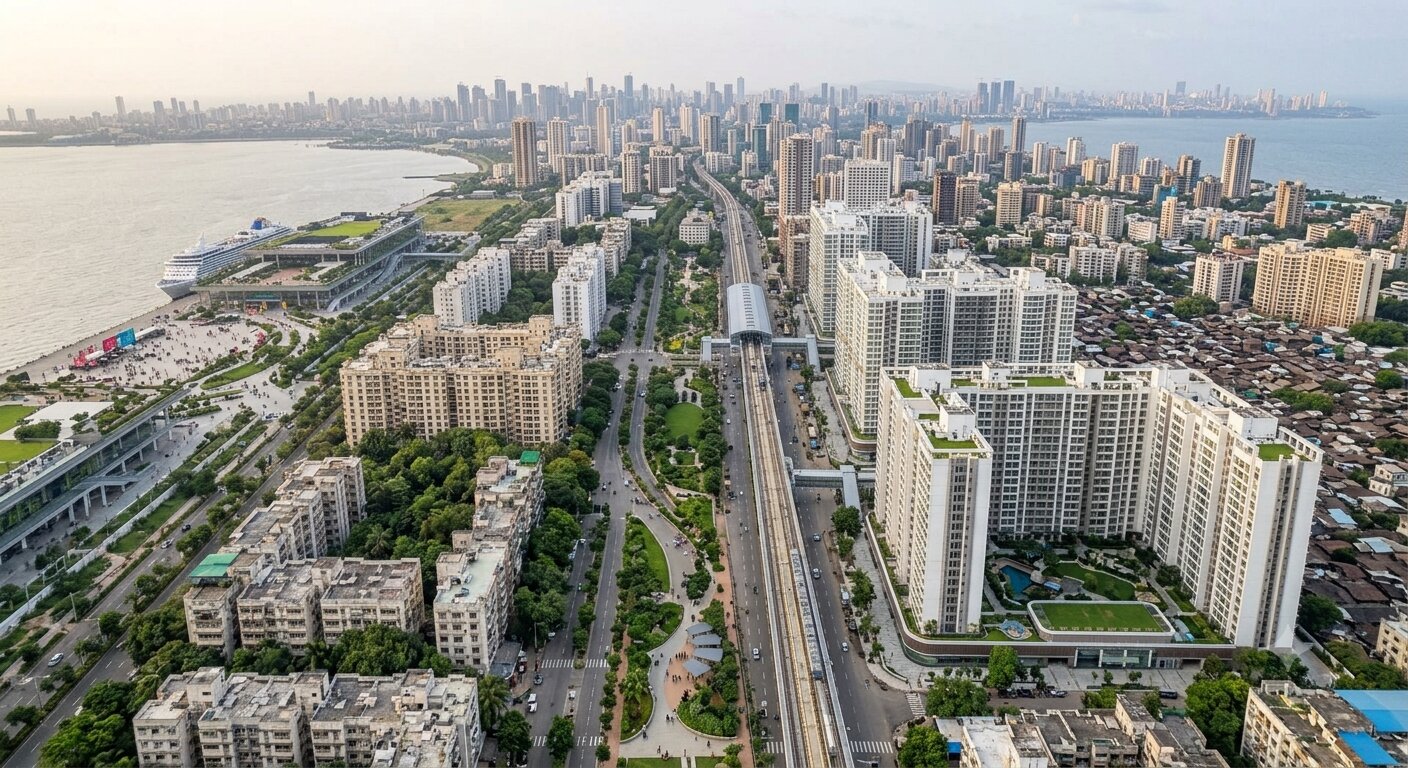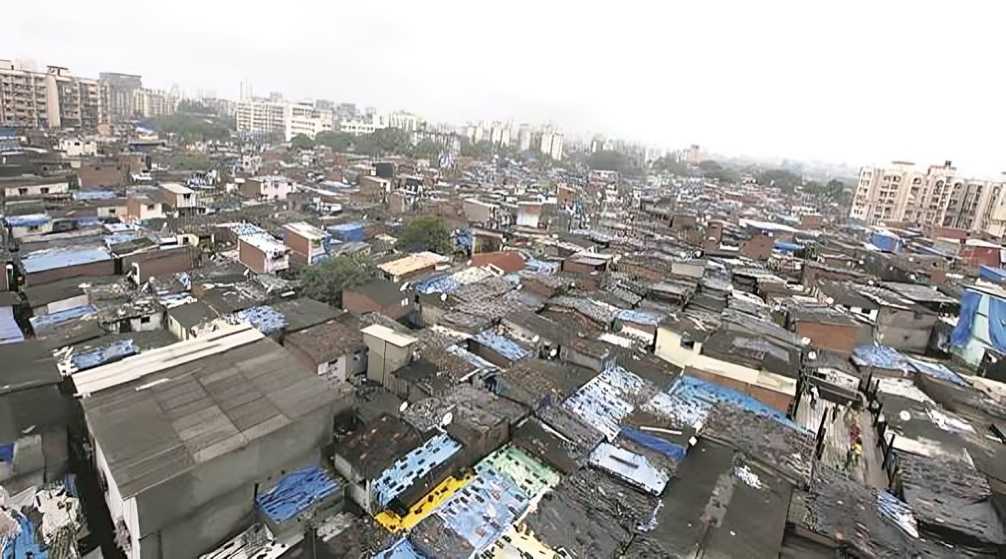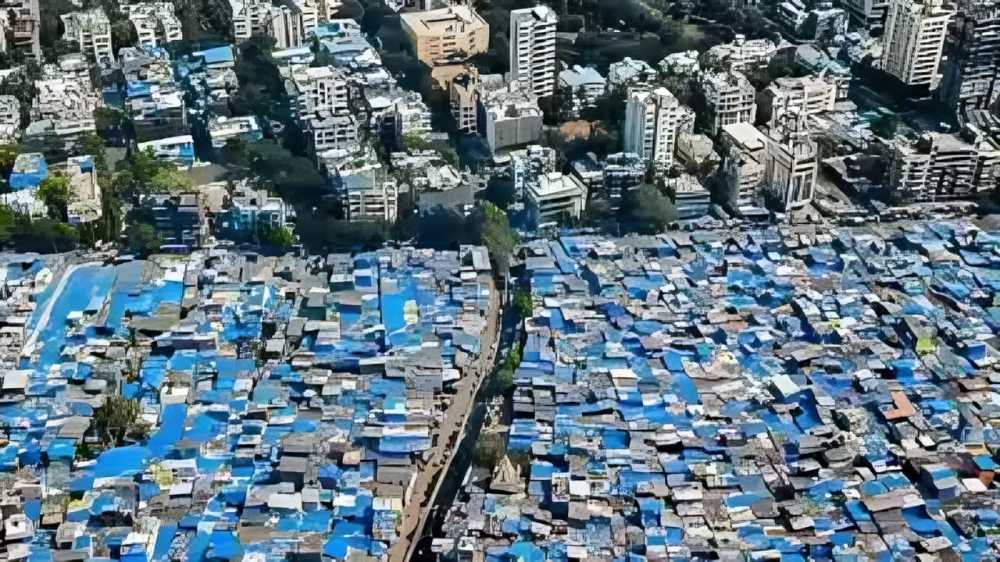

The Dharavi Redevelopment Project is set to affect 210 trees, of which 67 are proposed to be cut down and 143 relocated to facilitate road development and infrastructure required for railway operations. To offset the environmental impact, the project developer has proposed planting 3,078 trees over 18 hectares at three sites in Palghar district.
The proposals, submitted by Dharavi Redevelopment Project Pvt Ltd, a joint venture between the Adani Group and the Maharashtra government, will be placed before the Brihanmumbai Municipal Corporation’s (BMC) Tree Authority for consideration at its meeting on Friday.
Road construction to impact 75 trees
One proposal concerns the construction of a 20-metre-wide road as part of the redevelopment of buildings in Dharavi. The work is expected to affect 75 trees, including 14 marked for removal and 61 proposed for transplantation. Of the 334 trees recorded in the area, the remaining 259 are expected to be preserved.
Three heritage trees are also among those likely to be affected by the work. As compensation, the developer has proposed planting 961 trees across eight hectares at Pochade and Tamsai in Palghar taluka.
Railway Colony corridor to affect 135 trees
A separate proposal covers the RPF Ground Railway Colony area, where a proposed vehicular corridor is required to support the redevelopment of railway operational facilities under the project.
The construction is expected to affect 135 trees. Of these, 53 are proposed to be felled and 82 transplanted. The area currently has 393 trees, with 258 expected to remain unaffected. To compensate for the loss, 2,117 trees will be planted across 10 hectares at Akkarpatti in Palghar district.
Seven-year maintenance commitment
Under both proposals, compensatory plantation must be completed within 15 days of removing the existing trees. The new saplings must measure at least six feet in height, with native varieties receiving preference.
The developer will also be responsible for maintaining and protecting the newly planted trees for seven years.
Source: Times of India