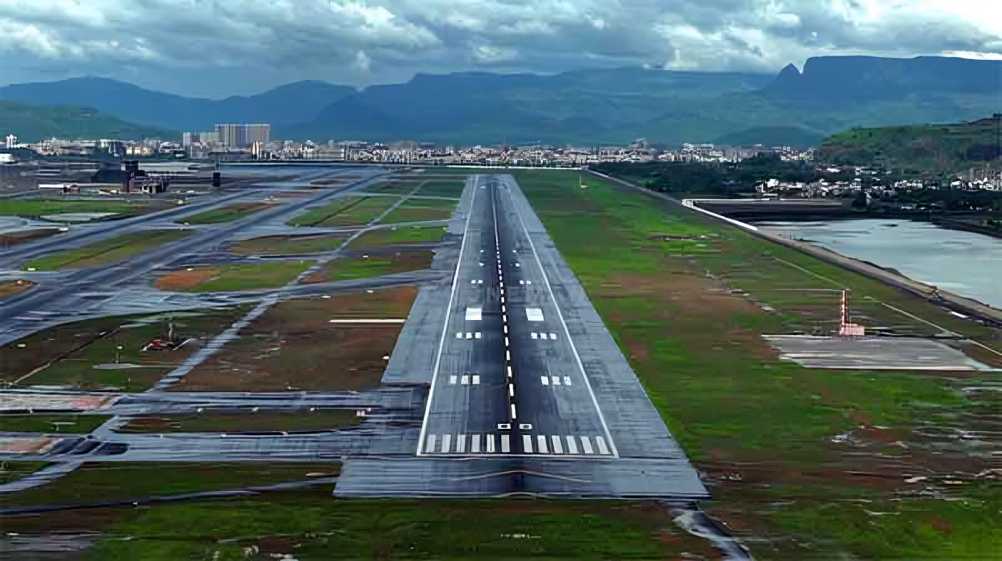

October 10, 2025: It is poignant that Zaha Hadid, the internationally celebrated architect behind the Navi Mumbai International Airport, passed away in 2016—years before its completion. Were she alive today, she would likely have been appalled by the government’s disregard for even the most basic principles of urban connectivity. The airport, touted as India’s first “truly multimodal” hub, lacks even a single functioning public transport link.
For an architect who valued integrated design, this would have been unthinkable. Heathrow Airport, in Hadid’s adopted Britain, remains a model of accessibility through its extensive Metro and bus network. Ironically, her firm continues to design major transport projects worldwide, including Riyadh’s striking Metro system—while India’s planners struggle to connect an airport to its own city.
What makes this omission more embarrassing is that countries far richer and more oil-dependent than India, such as Saudi Arabia, have invested heavily in public transport. Meanwhile, Mumbai’s authorities have systematically undermined their own bus network, once the city’s lifeline.
At the airport’s recent inauguration, neither Prime Minister Narendra Modi nor Deputy Chief Minister Eknath Shinde made mention of Hadid’s contribution—though there was no shortage of self-congratulation. Even the demand to name the airport after D. B. Patil, a respected local leader, was quietly brushed aside, angering the Agri community he represented.
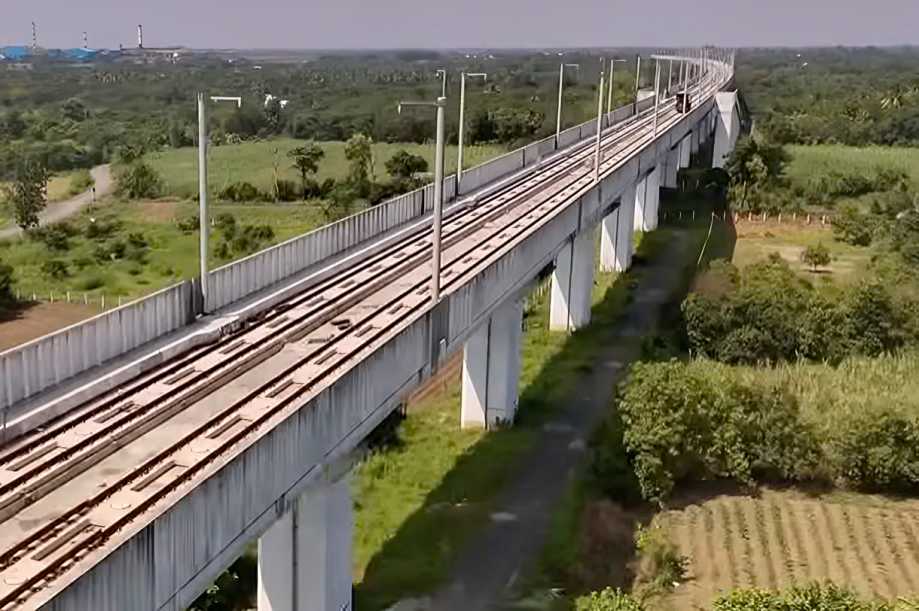
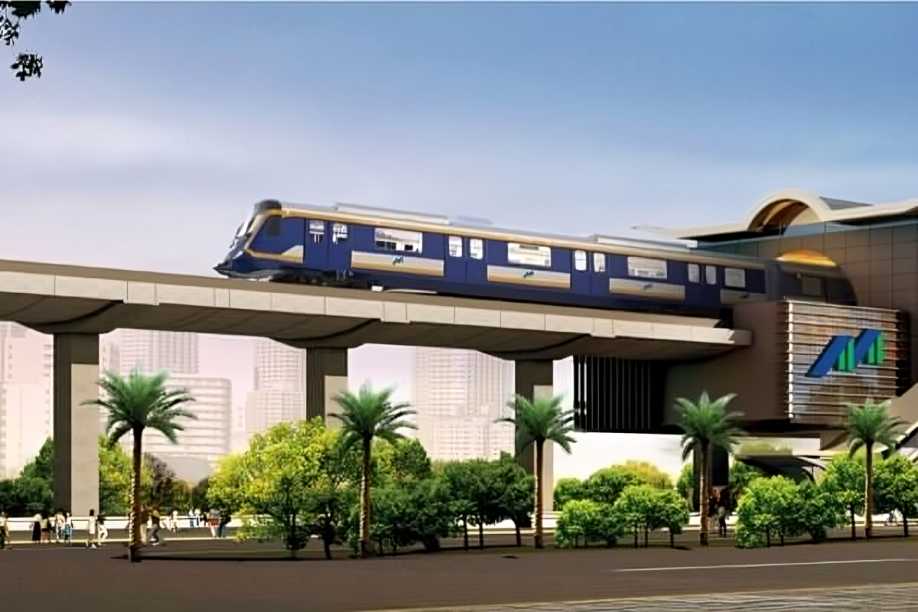
Government advertisements claiming “seamless Metro and water taxi connectivity” are patently false. The airport remains isolated, difficult to reach even via the Trans Harbour Link, with no Metro, bus, or suburban rail access in sight. Architects and urbanists warn that the area, already clogged by truck traffic from the JNPT port, is a disaster in the making.
This failure epitomises Mumbai’s wider malaise: projects dictated by private profit and political vanity rather than public need. The Navi Mumbai airport may be monumental in scale, but without connectivity, it risks becoming a global symbol of India’s infrastructural myopia.
Source: Counter Currents