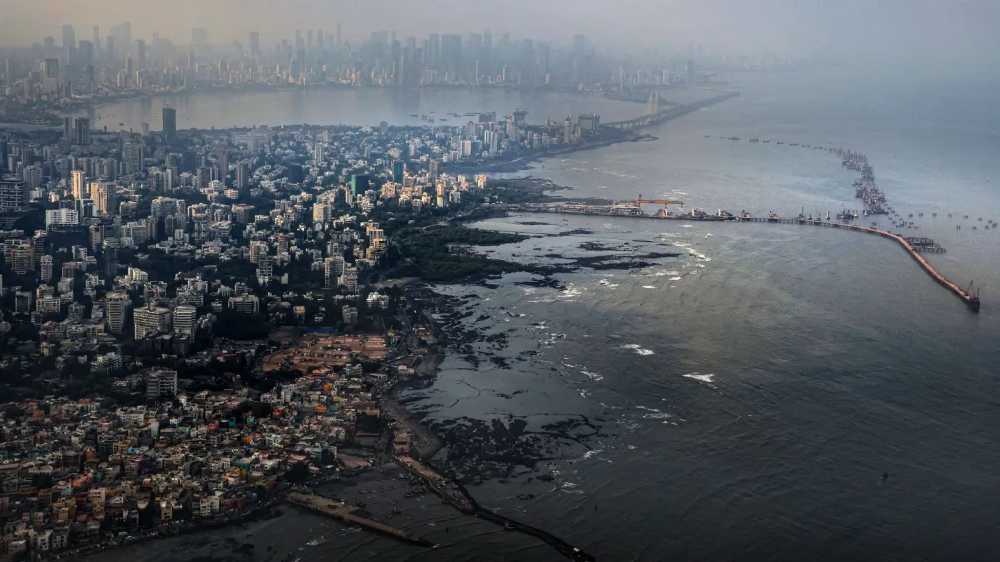

Mumbai’s growth has long been constrained not by the absence of land, but by the difficulty of unlocking it. Fragmented ownership, slow approvals, and reliance on state funding have historically delayed infrastructure and limited the city’s ability to expand in a planned manner. The Maharashtra government’s decision in March 2026 to transfer 33,954 hectares of state-owned land across Thane, Raigad, and Palghar to the Mumbai Metropolitan Region Development Authority (MMRDA) marks a structural shift in that trajectory.
This is not a routine administrative move. It gives MMRDA control over a large, contiguous land bank, enabling it to directly deploy and monetise land to fund infrastructure and guide development.
Land as a Funding Engine
Earlier, infrastructure projects in the Mumbai Metropolitan Region depended on two uncertain levers—budgetary allocations and land acquisition. Both were slow and often had delayed execution. With this transfer, those bottlenecks are effectively removed. MMRDA can now monetise land through leasing and development instead of outright sales, using the proceeds to fund infrastructure. The model is designed to support a pipeline of approximately Rs 3 lakh crore in projects, including metro expansions and regional connectivity. It also creates a revenue loop, with 25% of the income generated flowing back to the state government.
Unlocking New Growth Corridors
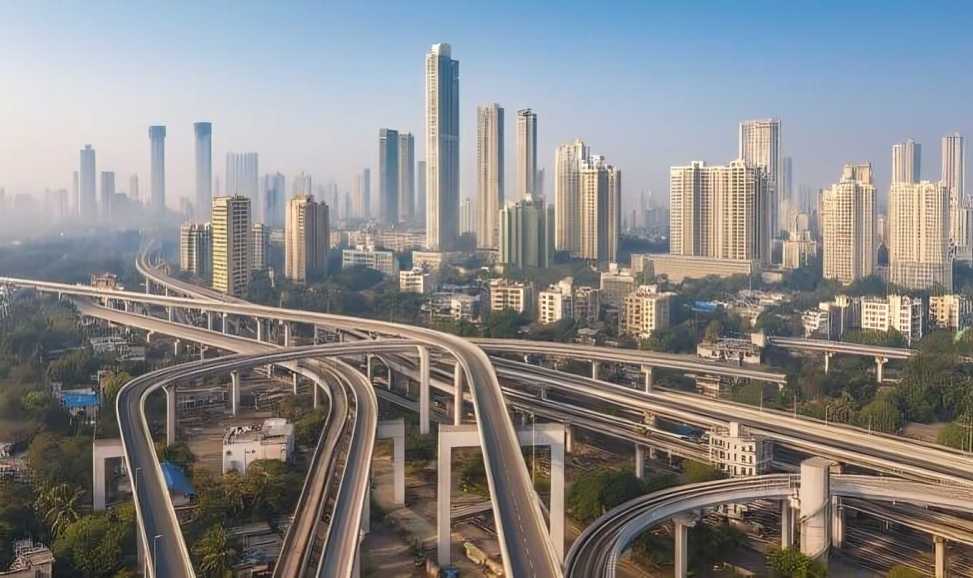
The scale and spread of the land are equally important. The allocation spans more than 1,300 villages across Thane, Raigad, and Palghar, shifting the focus of development beyond Mumbai’s saturated core. With infrastructure being planned alongside land availability, these regions are positioned to emerge as new growth centres—supporting residential, commercial, and mixed-use development while reducing pressure on existing urban pockets.
Industry Perspective
Dr. Mohit Ramsinghani – CXO – Real Estate, sees the move as a catalyst for new markets. “The transfer of over 33,000 hectares to MMRDA is a strategically significant move that goes beyond administrative consolidation. It creates a powerful land bank that can be leveraged for infrastructure-led development and structured monetisation,” he says.

He adds that this is likely to “unlock new micro-markets across Thane, Raigad, and Palghar,” with near-term supply expected in plotted developments and mid-income housing, and long-term gains in price appreciation and investor confidence. He also notes that the scale and transparency of the move could increase institutional participation.
Sukhraj Nahar, President of CREDAI-MCHI, highlights the impact on supply and pricing. “By unlocking nearly 34,000 hectares, the authority gains the ability to strategically monetise land, which can directly fund critical infrastructure and improve project viability in peripheral markets,” he says.

According to him, this will expand real estate supply in emerging corridors over time, easing pressure on core city prices. In the near term, however, “improved connectivity and clearer development control could actually strengthen investor sentiment and support selective price appreciation.”
Dhruman Shah, Promoter, Ariha Group, points to the structural advantage of consolidation. “By consolidating large land parcels under a single authority, MMRDA gains the ability to monetise land in a structured manner using auctions and leases to fund critical infrastructure such as metro corridors and connectivity projects,” he explains. He describes this as a “virtuous cycle” where infrastructure increases land value, which in turn supports further investment.

He also highlights the potential for integrated townships and transit-oriented developments across emerging regions, adding that while supply will expand in a calibrated manner, improved connectivity could drive appreciation in these micro-markets.
What Changes for Real Estate
For developers, the availability of a large, clear-title land bank reduces uncertainty around acquisition and approvals. This can improve execution timelines, attract investment, and support a steadier pipeline of supply across the region.
At the same time, increased land availability in the wider metropolitan area could gradually rebalance demand away from Mumbai’s core toward new growth corridors.
The scale of 33,954 hectares also brings complexity. Monetisation will require transparent processes, and development across 1,300+ villages must account for environmental safeguards and inclusive planning, including affordable housing.
The Bottom Line
This land allocation marks a fundamental shift in how Mumbai plans and funds its growth. By turning land into a financial and developmental asset, MMRDA is positioned to drive infrastructure and expansion in a more coordinated manner.
If executed effectively, the move could accelerate infrastructure delivery, unlock new real estate markets, and reshape the Mumbai Metropolitan Region into a more distributed and better-connected urban system.