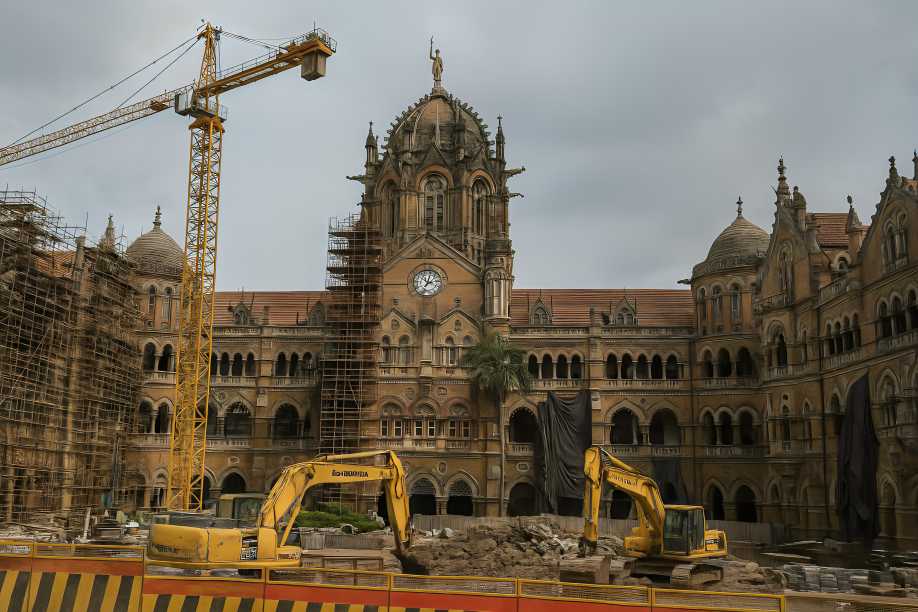

Mumbai’s historic Chhatrapati Shivaji Maharaj Terminus (CSMT), a UNESCO World Heritage Site, is undergoing a large-scale redevelopment project worth Rs 2,450 crore aimed at converting the station into a modern multimodal transport hub. While the ambitious transformation is progressing, concerns continue to grow over traffic congestion, poor crowd management, and unorganised public spaces surrounding the station.
A redevelopment proposal submitted by Pune-based senior media professional Pradyuman Maheshwari suggests that CSMT’s challenges extend beyond physical infrastructure upgrades. According to the proposal, the larger issues stem from inefficient traffic planning, lack of coordination between transport systems, and poor utilisation of public spaces around the terminal.
CSMT is frequently compared with internationally recognised railway landmarks such as Grand Central Terminal in New York, St Pancras International in London, and Tokyo Station due to its architectural and historical importance. However, the proposal argues that the commuter experience outside the station does not currently match global standards.
Several issues have been identified around the station precinct, including encroached pedestrian footpaths, lack of designated pick-up and drop-off points for app-based cab services such as Ola and Uber, unregulated parking by black-and-yellow taxis, and obstruction caused by BEST buses. Increasing private vehicle movement and severe crowding near Platforms 8 to 13 have also been highlighted as major concerns.
Maheshwari additionally criticised the use of prime space near the station entrance for parking vehicles belonging to railway officials. He proposed shifting the parking area to vacant railway land near Platform 18 or introducing a structured valet parking system to free up commuter space.
The redevelopment project aims to modernise CSMT while preserving its colonial-era heritage architecture. Planned infrastructure additions include 100 elevators, 75 escalators, 10 travelators, and parking facilities for nearly 1,700 vehicles.
The project has been conceptualised under the “RailOPolis” model, which envisions an integrated ecosystem combining transportation, retail, tourism, food, and entertainment facilities. An elevated deck above the outstation platforms will include ticketing counters, air-conditioned waiting lounges, shopping zones, food courts, and passenger service centres.
A 25-metre-wide foot overbridge linking the station with DN Road has also been proposed to improve pedestrian connectivity.
Maheshwari has recommended that several urban mobility measures be implemented in phases by March 2027. These include creating pedestrian-priority zones near Platforms 8 to 13, dedicated areas for taxis and buses, mini feeder bus services connecting key South Mumbai destinations, regulated hawker zones, and improved passenger waiting spaces.
Officials associated with the project said the redevelopment is intended to deliver a safer, more organised, and commuter-friendly experience while preserving the heritage significance of one of India’s most iconic railway stations.
Source: Dailyhunt