
Redevelopment has become one of the defining features of Mumbai’s real estate landscape, especially across ageing housing societies in prime neighbourhoods. But behind the promises of larger homes, modern amenities, and rising property values lies a reality that many within the industry privately acknowledge but rarely discuss openly — corruption in the redevelopment process.
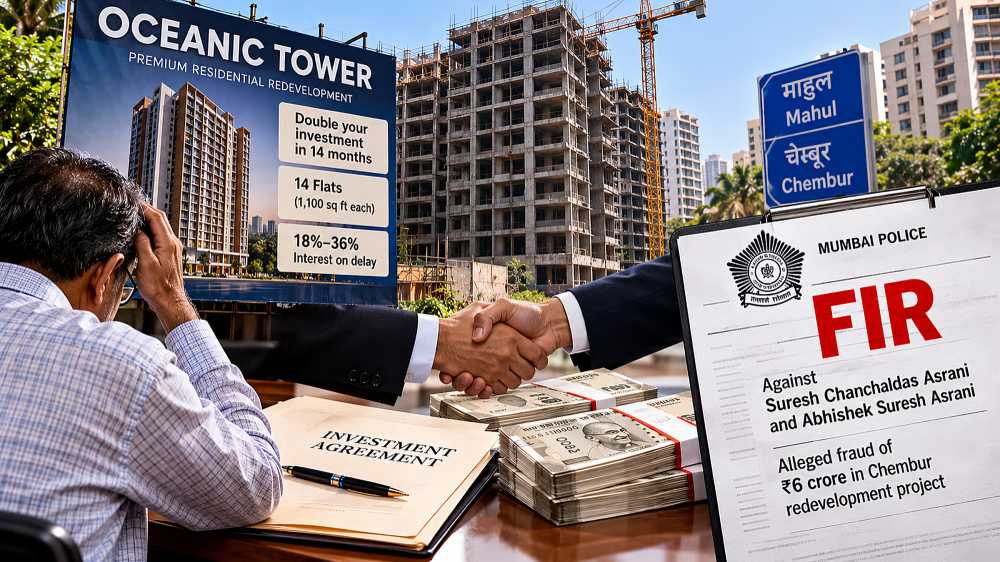
A recent example from Bandra reflects how intense and opaque these negotiations can become. Ahead of a crucial redevelopment vote within a housing society, a builder reportedly received a late-night proposal from an influential resident offering to swing the vote in exchange for Rs 12 crore. The builder declined the demand and subsequently lost the project bid.
Such incidents, according to industry insiders, are far from isolated. Allegations of financial inducements during redevelopment negotiations have become deeply embedded within parts of Mumbai’s housing ecosystem. In several cases, managing committees — entrusted with representing the interests of society members — are accused of wielding disproportionate influence over the selection of developers and the structuring of deals.
During redevelopment, committee members often become key decision-makers capable of shaping opinions within the society. Builders competing for projects are frequently required to secure support from these influential groups before obtaining broader approval from residents. This dynamic, critics argue, creates opportunities for private negotiations that may not always benefit the majority of members.
The larger concern emerges when such practices begin influencing the actual terms of redevelopment agreements. In some cases, projects capable of offering significantly better benefits to residents are allegedly presented with reduced entitlements after private arrangements are factored into negotiations. This can result in ordinary residents receiving less favourable terms while select individuals gain disproportionate advantages.
Project management consultants, who act as intermediaries between developers and societies, are also often seen as central players in these negotiations. While many perform legitimate advisory roles, concerns remain about lack of transparency in certain redevelopment transactions.
Despite these concerns, redevelopment continues to remain financially attractive for most residents, promising upgraded homes and improved living standards once projects are completed. However, experts believe that stronger transparency mechanisms, greater member participation, and increased vigilance within housing societies are essential to ensure redevelopment benefits are distributed fairly.
As Mumbai’s redevelopment wave accelerates, the challenge lies not only in rebuilding old structures but also in strengthening accountability within the process itself.
Source: Mumbai Mirror