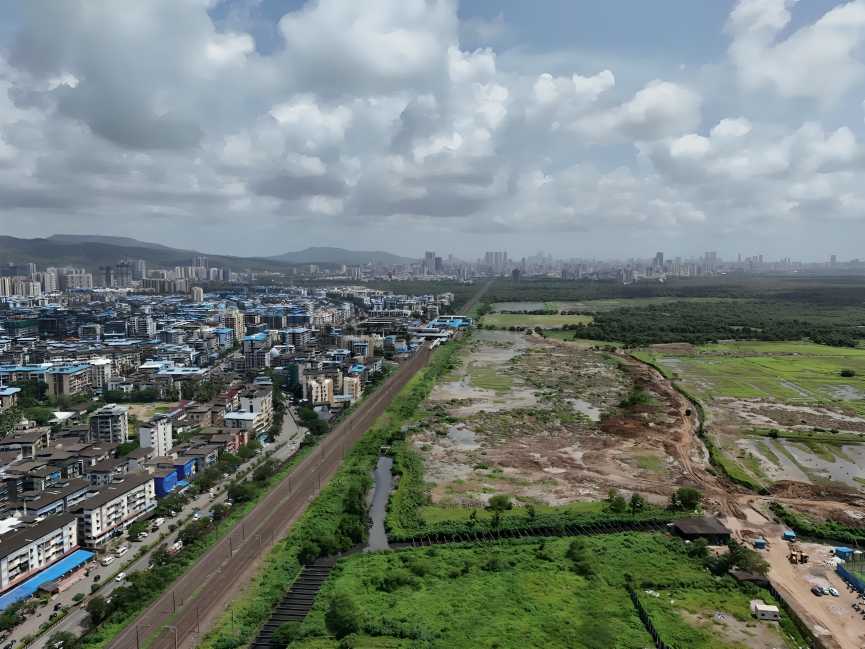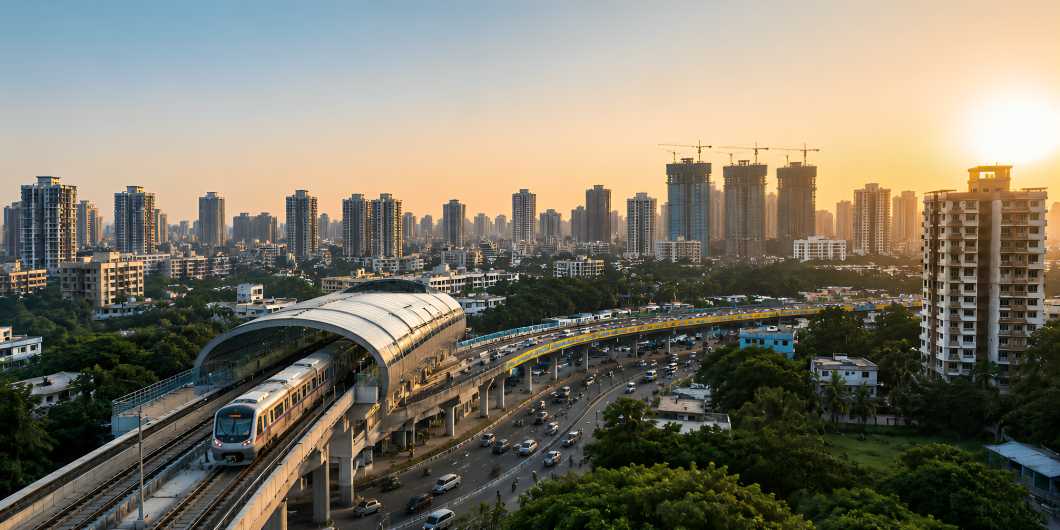

Mumbai’s eastern suburbs are poised to gain a major ecological and recreational landmark as the Brihanmumbai Municipal Corporation (BMC) has initiated work on a proposed exotic bird park in Mulund. The project reflects the city’s growing emphasis on integrating tourism, biodiversity conservation, and accessible green public spaces within its increasingly dense urban fabric.
Planned in the Nahur area of Mulund West, the bird park is envisioned as both a leisure destination and an environmental awareness hub. With rapid urbanisation and redevelopment significantly reducing open spaces in Mumbai, civic officials say the project aims to restore a nature-oriented experience for residents in the suburban belt.
The initiative also highlights a broader shift in urban tourism planning, where ecological and educational attractions are being prioritised alongside conventional entertainment infrastructure. Experts note that eastern Mumbai has historically lagged behind western suburbs in terms of large-scale recreational amenities, making such investments critical for improving regional balance and liveability.
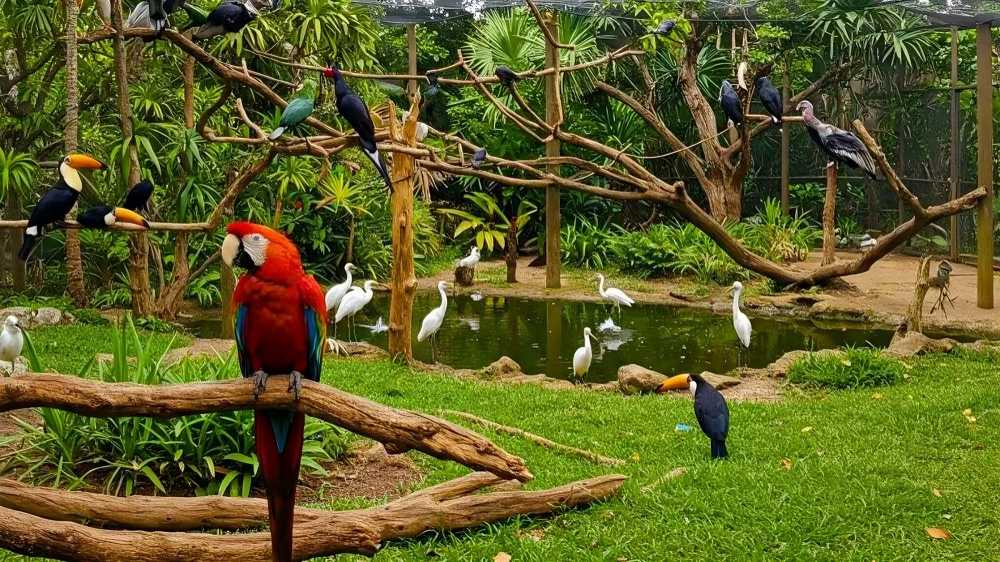
According to officials, the proposed park will focus on landscape-sensitive design, biodiversity-friendly planning, and easy public access. While detailed design specifications are yet to be released, the project is expected to include curated bird habitats, shaded walkways, and pedestrian-friendly zones aimed at enhancing visitor comfort while reducing heat exposure.
Urban planners view the development as part of a larger response to climate and environmental challenges. In a city where open land is steadily shrinking due to infrastructure expansion and high-density redevelopment, such ecological spaces are increasingly seen as essential for urban resilience, mental well-being, and climate adaptation.
Environmental experts also emphasise that carefully designed green infrastructure can help mitigate urban heat, support biodiversity, and improve air quality in heavily built-up areas. At the same time, tourism analysts suggest the bird park could stimulate local economic activity in Mulund through increased footfall, small business growth, and hospitality demand.
However, specialists caution that ecological attractions require strict management to prevent over-commercialisation and ensure minimal disturbance to wildlife habitats. The project aligns with a broader national trend of treating urban green spaces as critical civic infrastructure rather than decorative additions.
As planning progresses, experts stress that long-term success will depend on strong ecological safeguards, consistent maintenance funding, and integration with wider conservation strategies. With climate pressures rising, such nature-based urban projects are expected to play a key role in future city planning frameworks.
Source: Urban Acres