
As container traffic increasingly shifts to Jawaharlal Nehru Port Authority (JNPA), the Mumbai Port Authority (MbPA) is pursuing a differentiated growth strategy centred on bulk cargo, liquid cargo, coastal shipping and waterfront-led development.
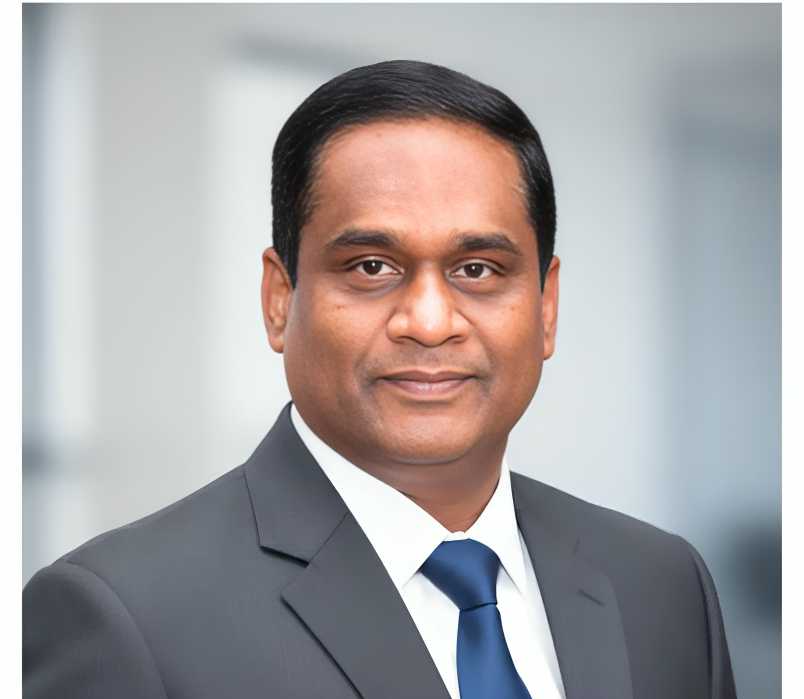
According to MbPA Chairperson M. Angamuthu, Mumbai Port and JNPA should be viewed as complementary maritime assets rather than competitors. While JNPA continues to dominate container handling, Mumbai Port is leveraging its strategic location in the heart of the country’s commercial capital to build a specialised ecosystem that combines cargo operations, cruise tourism, coastal connectivity, logistics services and urban redevelopment.
Today, Mumbai Port is India’s leading liquid bulk cargo port, commanding a 15.5% share of the national market. It also handles 35% of the country’s EXIM iron and steel cargo, while maintaining a strong presence in project cargo, automobile exports, bunkering, ship repair and maritime services. The port’s long-term strategy aligns with India’s Maritime Vision 2047, positioning it as a specialised hub for liquid, bulk and coastal cargo.
The port delivered its strongest-ever performance in FY26, handling 75.15 million tonnes of cargo, representing 8.22% of traffic across India’s major ports. Liquid bulk commodities, including crude oil, petroleum products, chemicals and LPG, remained the primary contributors. Coastal shipping accounted for 10.48% of total cargo, while automobile exports reached 80,986 units.
Mumbai Port has set a cargo target of approximately 80 million tonnes for FY27, representing a projected growth of 6.4%, with a medium-term goal of 85 million tonnes by FY28. Growth is expected to come from higher liquid cargo volumes, project imports, anchorage operations and automobile exports. Operational upgrades, including maintenance and management contracts for 22 berths at Indira Dock, are expected to improve efficiency and vessel turnaround times.
To support future expansion, the port plans investments of Rs 15,000–18,000 crore over the next few years. Key projects include the Rs 800-crore sixth oil berth at Jawahar Dweep, additional chemical handling facilities at Pir Pau, berth modernisation, digital infrastructure upgrades and sustainability initiatives such as green tugs, shore power systems and desalination facilities.
Alongside cargo operations, Mumbai Port is advancing major waterfront projects, including an Rs 877-crore international marina and the broader Rs 22,672-crore eastern waterfront redevelopment programme. The authority believes upcoming infrastructure such as Vadhvan Port will complement its operations by focusing on container traffic, while Mumbai Port continues to strengthen its role in liquid cargo, bulk handling and coastal shipping.
Source: The Hindu BusinessLine