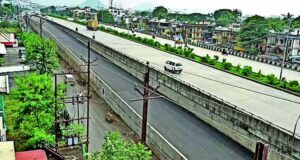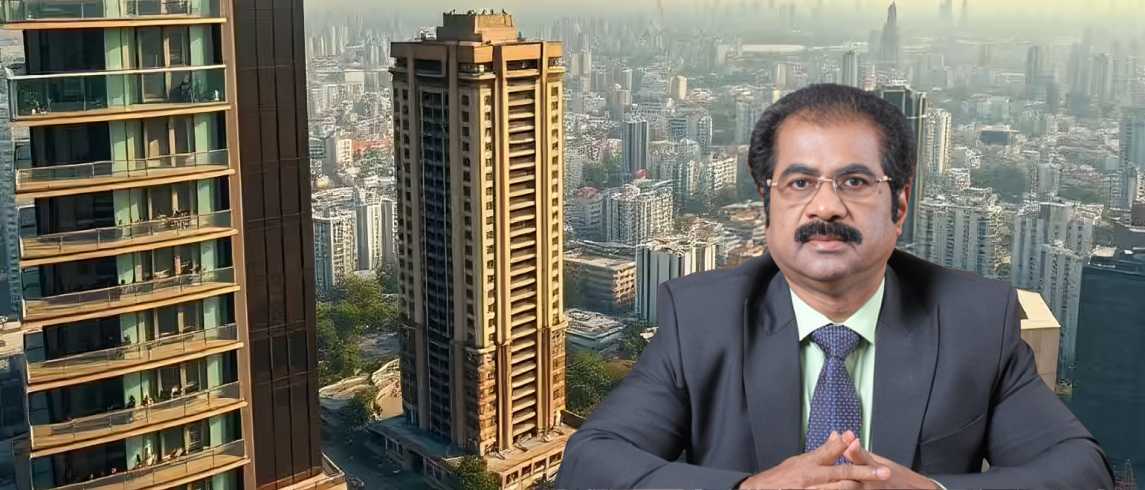

As Mumbai’s real estate landscape continues to evolve, the Sion-Matunga corridor is emerging as one of the city’s most attractive residential destinations. Driven by redevelopment, robust connectivity and well-established social infrastructure, the centrally located belt is drawing interest from both homebuyers and investors seeking long-term value.
With housing prices rising across traditional residential hubs and land availability becoming increasingly limited, buyers are prioritising neighbourhoods that offer convenience, accessibility and a strong quality of life. Established localities with proven infrastructure are gaining preference over newly developing areas that may take years to mature. In this changing market, the Sion-Matunga corridor has strengthened its appeal through its blend of heritage, community living and urban accessibility.
The area’s cosmopolitan character, educational legacy and strong social ecosystem continue to attract families across generations. Connectivity remains one of its biggest advantages. Located between South Mumbai and the city’s western and central suburbs, the corridor offers access to multiple transport networks, including the Central, Western and Harbour railway lines.
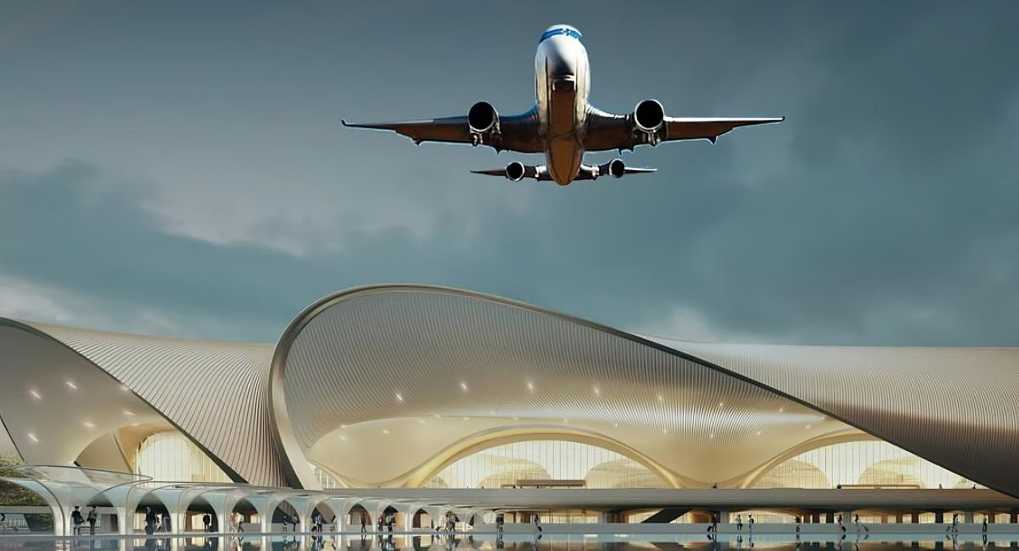
Stretching across neighbourhoods such as Sion, Matunga and GTB Nagar, and bordered by Mahim and Wadala, the corridor functions as an integrated urban zone with convenient access to major business districts including Bandra-Kurla Complex (BKC), Lower Parel, Nariman Point and Navi Mumbai through the Atal Setu. Upcoming metro projects, monorail connectivity and proximity to both the Chhatrapati Shivaji Maharaj International Airport and the upcoming Navi Mumbai International Airport further strengthen its accessibility.
The locality is also home to several prominent educational institutions, including Veermata Jijabai Technological Institute, Institute of Chemical Technology, SIES College and Don Bosco High School, making it a preferred choice for families. Recreational destinations such as Five Gardens and Shivaji Park further enhance its residential appeal.
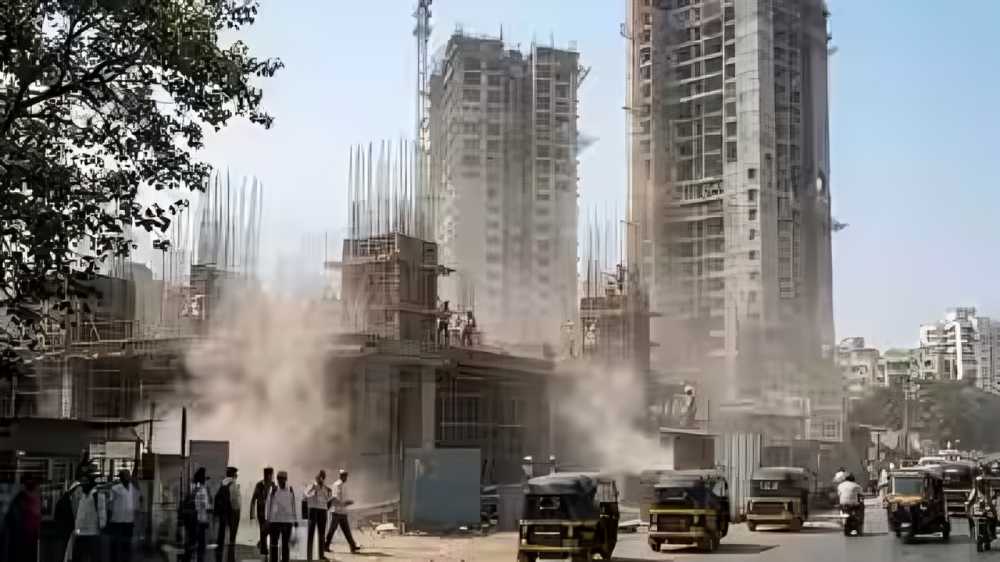
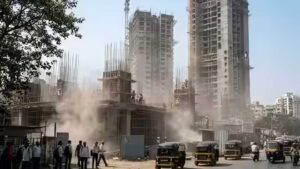
Redevelopment is playing a key role in reshaping the corridor. Many ageing residential buildings are being replaced with modern housing developments offering improved layouts, enhanced amenities, dedicated parking and energy-efficient designs. This urban renewal is enabling residents to enjoy contemporary living standards without giving up the benefits of a central location.
As infrastructure investment and redevelopment continue to transform the area, the Sion-Matunga corridor is increasingly being viewed as a future-ready residential micro-market. With fresh housing supply entering a land-constrained market, the locality offers a compelling combination of connectivity, lifestyle and investment potential, positioning it among Mumbai’s most sought-after residential growth corridors.
Source: Realty Plus
- The author of the article is the Founder of TransIndia Group