
Birla Estates has acquired floor space index (FSI) worth Rs 159 crore for a redevelopment project in Mumbai’s Khar, highlighting the growing value of development rights in the city’s land-constrained western suburbs.
The company has purchased transferable development rights at a consideration of around Rs 19,500 per sq m of FSI. The rights will be utilised for a 1.3-acre redevelopment project being undertaken through a joint venture.
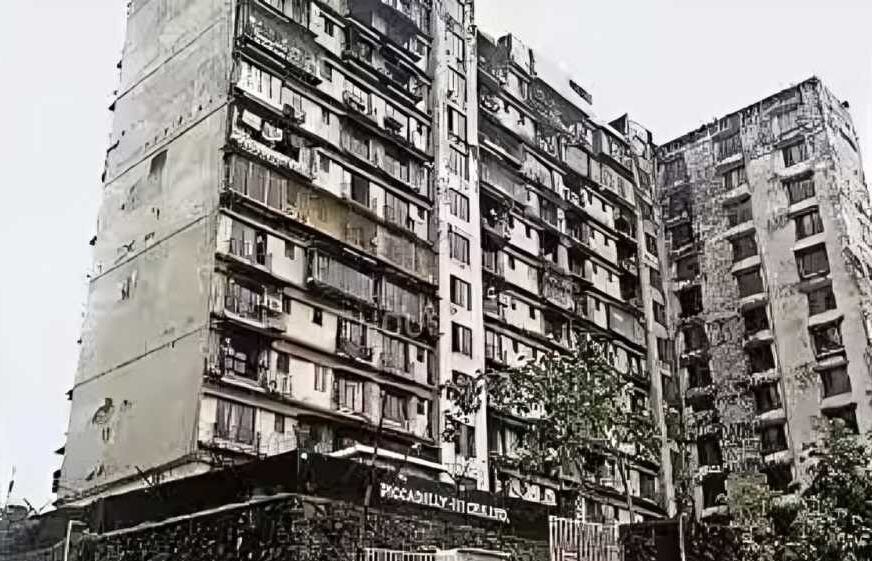
The project involves the redevelopment of Bharatiya Bhavan Cooperative Housing Society and Anmol Cooperative Housing Society. It is expected to offer a saleable area of approximately 2.9 lakh sq ft and has an estimated revenue potential of around Rs 1,700 crore.
The transaction reflects the increasing importance of FSI and transferable development rights (TDR) in Mumbai, where limited availability of developable land has pushed developers to explore alternative ways of increasing construction potential.
Transferable FSI generated through Slum Rehabilitation Authority (SRA) projects can be utilised on eligible receiving plots, subject to approvals and applicable provisions under DCPR 2034. CRE Matrix’s chief executive said the transferability of eligible FSI gives developers greater flexibility in land-constrained markets and helps enhance construction potential at receiving sites.
As a result, developers are increasingly using fungible FSI and TDR to strengthen project economics without having to acquire additional land.
Similar transactions have taken place across Mumbai’s western suburbs. Earlier, Mumbai-based Rustomjee acquired 8,800.74 sq m of FSI from Parth Construction for Rs 143.45 crore. The development rights originated from an SRA project in Jogeshwari East and were transferred to a receiving location in Andheri. The transaction also included 24 car parking spaces.
The value and volume of such development rights can differ depending on their source, receiving location and applicable regulatory restrictions. However, these deals underline the growing role of development rights as a major component of project costs.
In established locations such as Khar, Bandra, Andheri and Juhu, redevelopment has emerged as a key avenue for new construction because assembling large contiguous land parcels remains challenging.
The SRA framework also supports a market for development rights by allowing additional construction potential under prescribed TDR provisions. Slum TDR can be utilised on eligible receiving plots within specified limits, helping improve project viability and enabling redevelopment in areas where land availability remains constrained.
Source: Construction World