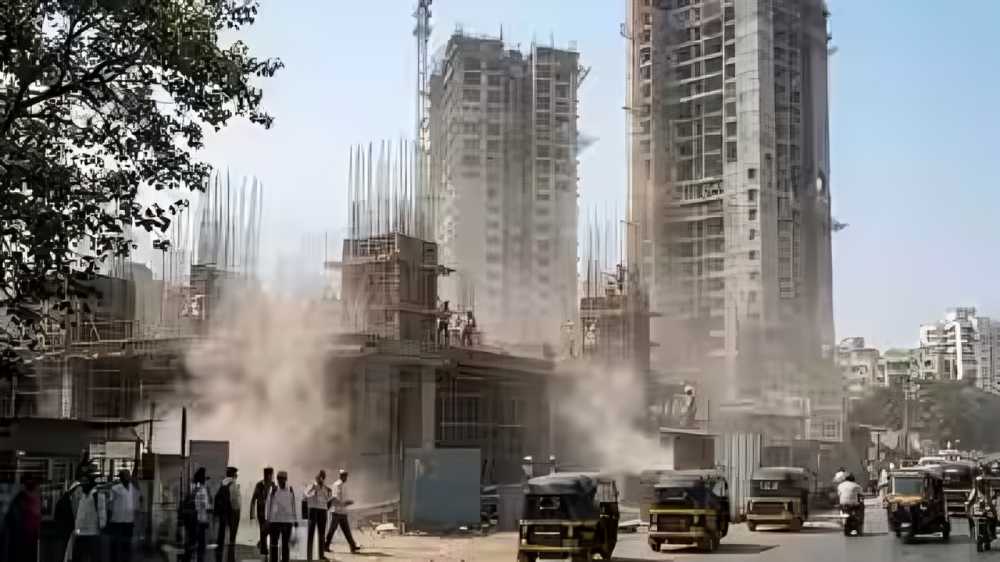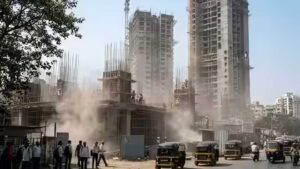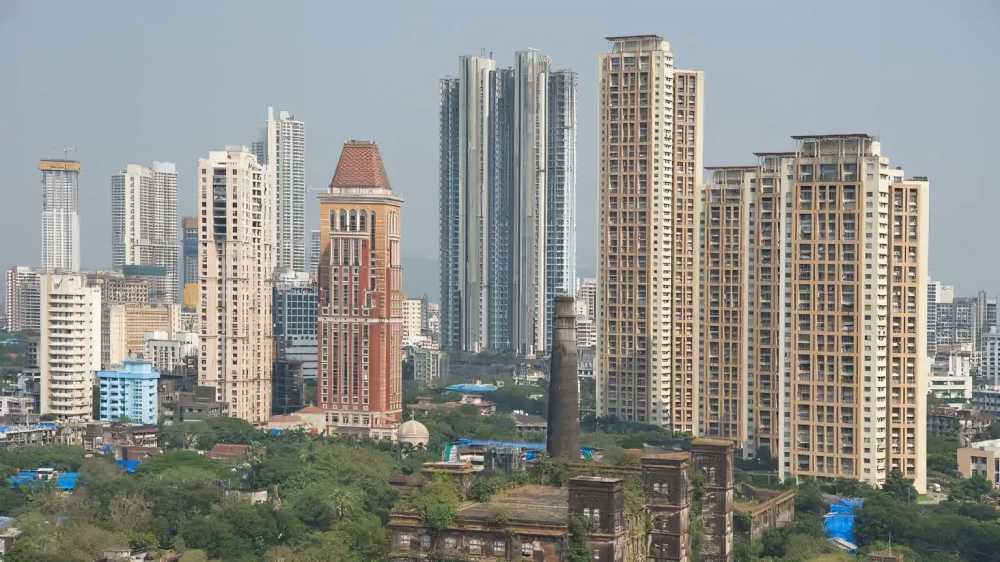

With limited land available for fresh development, Mumbai’s future growth is increasingly being shaped by redevelopment rather than outward expansion. From ageing housing societies to Slum Rehabilitation Authority (SRA) projects and other urban renewal initiatives, redevelopment has emerged as one of the city’s most important tools for creating modern housing and improving urban infrastructure.
The scale of this transformation is already becoming evident. According to a recent Knight Frank India report, more than 1,090 housing societies have entered redevelopment since 2020, unlocking nearly 432 acres of land across Mumbai. By 2031, these projects are expected to deliver close to 59,000 new homes with an estimated market value of around Rs 1.5 lakh crore, highlighting redevelopment’s growing role in meeting the city’s future housing demand.
Redevelopment activity is particularly concentrated in Mumbai’s western suburbs, including Andheri, Jogeshwari, Goregaon, Malad, Kandivali and Borivali. These areas are witnessing a surge in projects due to ageing residential buildings, large SRA clusters, strong transport connectivity and well-developed social infrastructure. As metro corridors, road projects and other infrastructure improvements enhance accessibility, redevelopment is unlocking the potential of these established neighbourhoods.
Beyond replacing ageing structures, redevelopment enables more efficient land utilisation by creating planned residential communities with upgraded civic amenities. Wider roads, improved utilities, better public spaces and modern infrastructure contribute to a higher quality of life for both existing and future residents.
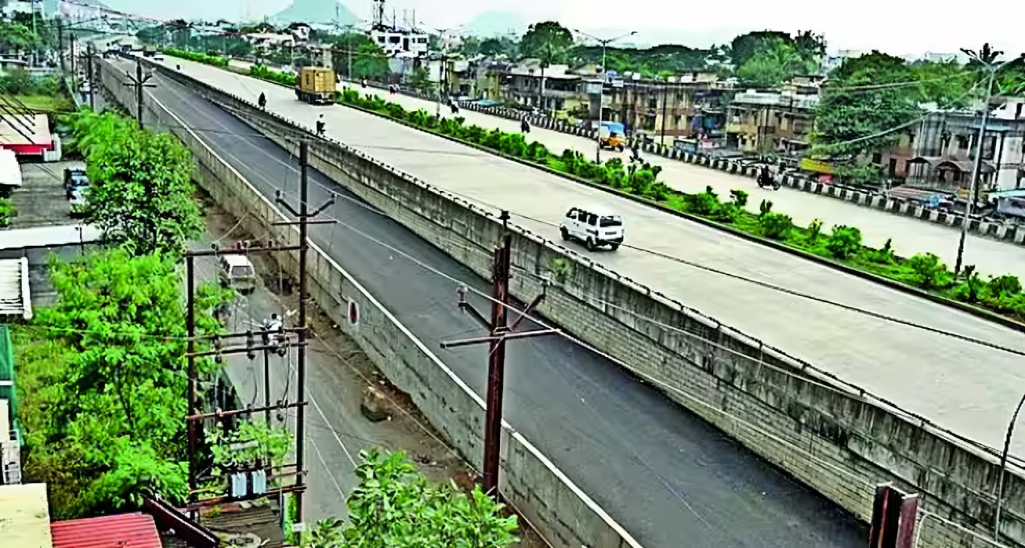
The impact of redevelopment also complements Mumbai’s major infrastructure investments. Projects such as the Mumbai Metro network, Coastal Road, Goregaon-Mulund Link Road and other connectivity initiatives are reshaping mobility across the city. Redevelopment ensures that surrounding neighbourhoods evolve alongside these projects, allowing Mumbai to maximise the benefits of public infrastructure while supporting balanced urban growth.
Another key advantage is the creation of additional housing supply within established localities where greenfield land is scarce. Instead of extending development further into the city’s outskirts, redevelopment makes better use of existing land while allowing residents to continue benefiting from nearby schools, hospitals, commercial centres and public transport.
Redevelopment also contributes significantly to the economy by generating employment across construction, engineering, architecture, project management and allied sectors while attracting long-term private investment into older urban precincts.
With more than 1,000 redevelopment projects already underway and thousands of new homes expected over the coming years, redevelopment has become far more than a real estate activity. It is emerging as a critical urban development strategy that will play a central role in shaping a more sustainable, resilient and future-ready Mumbai.
Source: Hello Mumbai News