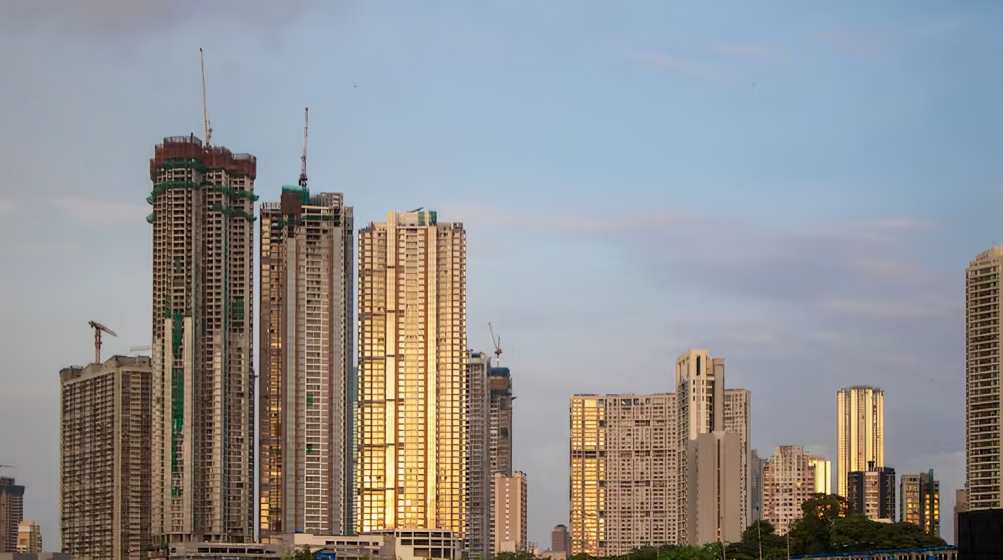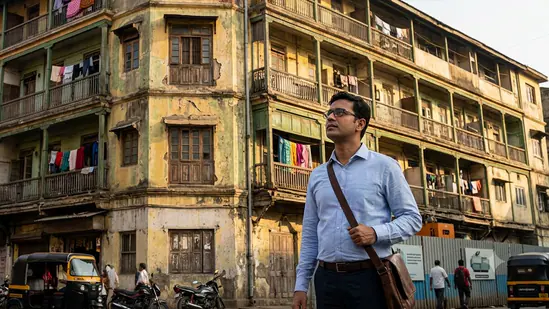

Mumbai’s redevelopment boom is encouraging more homebuyers to consider older apartments that are set to be redeveloped instead of purchasing newly launched homes. The appeal lies in acquiring a relatively smaller flat at a lower cost today and receiving a larger, upgraded apartment after redevelopment, potentially creating significant long-term value.
For many buyers, especially in expensive markets such as Mumbai and Pune, redevelopment projects present an opportunity to own bigger homes without paying prevailing market prices upfront. A buyer with a limited budget, for instance, may choose an older one-bedroom apartment scheduled for redevelopment over a smaller ready-to-move home, with the expectation of receiving a larger two or three-bedroom apartment once the project is completed.
However, the decision involves patience. Redevelopment projects typically take three to five years to complete, during which homeowners must vacate their homes. Developers usually compensate residents with monthly rent until the new apartments are ready for possession.
Real estate experts believe redevelopment projects can offer attractive returns in land-scarce cities, but they advise buyers to conduct thorough due diligence before investing. They recommend carefully reviewing the redevelopment agreement, statutory approvals, the developer’s financial capability, project timelines, rental compensation, corpus benefits, and the level of consent obtained from society members.
“Buying an apartment in the redevelopment-going building is a good investment in the long run, but homebuyers must exercise caution and do their homework before going ahead and not just look at the purchase price,” said Anuj Mehta, Director, Dhuleva Group.
“In some of Mumbai’s mature micro-markets, large-scale redevelopment projects have fetched returns of 20-40% during the project life cycle owing to better infrastructure, facilities, and building features. But the returns depend on certain parameters that need to be checked. Homebuyers must evaluate the builder’s financial strength and experience, the status of approvals from authorities, the project completion timelines, and the redevelopment agreement to finalise their decision,” Mehta said.
Ram Raheja, Managing Director, S Raheja Realty, said buyers should focus on two critical aspects before purchasing a redevelopment property.
“First, evaluate the redevelopment timeline, as such projects depend on regulatory approvals and adequate funding. A developer with limited financial strength is more likely to face delays. Buyers should assess the developer’s execution track record rather than relying on projects in the pipeline. Second, scrutinise the society’s paperwork, including the title, members’ consent and the development agreement. Internal disputes within the society are often the biggest hidden risk and the most difficult to resolve,” Raheja said.
The growing momentum in Mumbai’s redevelopment sector reflects rising interest in such projects. According to Knight Frank India, 229 redevelopment agreements were signed in 2025, up 16% from 196 agreements in 2024. The trend has continued in 2026, with nearly 70 redevelopment agreements executed between January 1 and March 15. Between January 2020 and March 15, 2026, a total of 1,094 redevelopment agreements were signed, unlocking nearly 432 acres of land across Mumbai for redevelopment.
Source: Hindustan Times