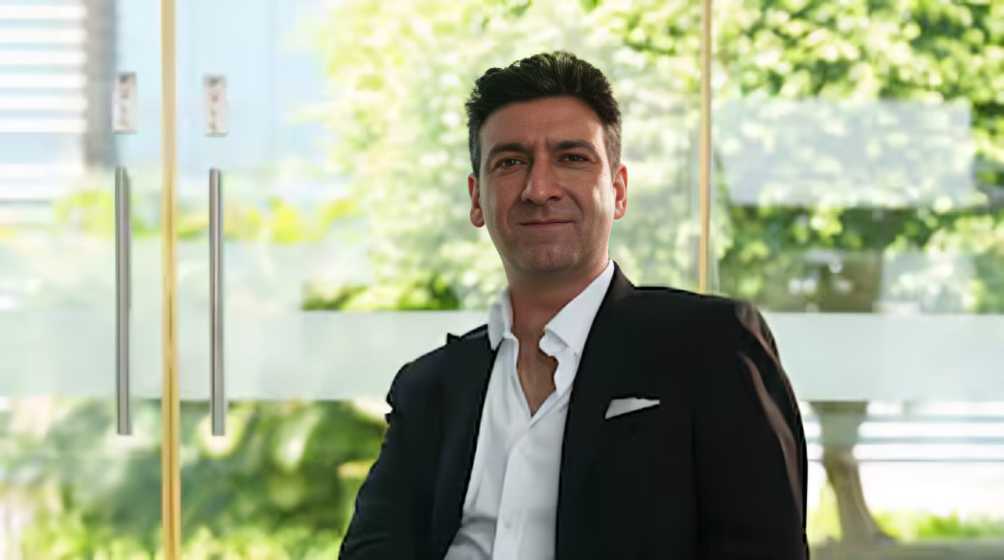

Raheja Universal has adopted a cautious approach towards India’s booming housing market, with Managing Director and CEO Ashish Raheja warning that rising competition, aggressive redevelopment bids and the return of builder-funded subvention schemes could indicate early signs of excess in the real estate cycle.
The developer has decided to stay selective in Mumbai’s redevelopment market, which has emerged as a major growth opportunity for residential players due to limited availability of new land parcels within the city. Raheja said the company is focusing on disciplined capital deployment instead of participating in projects where commercial expectations have become increasingly aggressive.
Speaking to Moneycontrol, Raheja said, “There are several signs. Builder-funded subvention schemes are reappearing. Redevelopment bids have become far more aggressive. Some developers are even walking away from projects after realising the economics don’t work.”
He added, “None of these individually signal a crisis, but together they suggest the market is becoming more competitive and more optimistic than it should be.”
Raheja said the company’s cautious strategy comes from experiences during earlier real estate cycles, particularly before the 2008 global financial crisis. Recalling that period, he said, “There are always signs. We saw them before the 2008 financial crisis. We were close to making two large land acquisitions, but we stepped back. It wasn’t because we had hard data. It was instinct. My father-in-law Mr Keki Mistry, and Mr Deepak Parekh told me, ‘I can’t explain it, but something doesn’t feel right.’ We trusted that judgment. We didn’t sell assets, but we stopped buying,” he said.
The company, which was established in 1986, has developed around 10 million sq ft across more than 50 residential, commercial and township projects in the Mumbai Metropolitan Region. It prefers using bank term loans rather than borrowing against land acquisitions and concentrates on a smaller portfolio of premium and luxury developments.
Raheja also highlighted the changing preferences of homebuyers, stating that customers are increasingly looking beyond apartment size and evaluating projects based on lifestyle, convenience and community offerings.
“The idea is simple. Why should residents drive across the city to meet people at a club, restaurant or members’ space? Why can’t that experience exist inside the development itself?” he said.
He further added, “Buyers today are looking beyond square footage. They want experiences, convenience and community. Developers who can create those ecosystems will have an advantage because people aren’t just buying an apartment anymore. They’re buying into a way of living,” he said.
The developer continues to focus on emerging locations, having earlier entered areas such as Goregaon and Malad before they became established markets. It is now targeting areas like Madh Island and Juinagar, where upcoming infrastructure improvements are expected to support future growth.
“Location is one of the biggest myths in the industry. Real estate is about timing, timing, timing. If you buy into an established market, you’re competing with everyone else. We always tried to identify places that looked risky at the time but had the ingredients to become the next growth corridor. We were willing to be the first movers before anyone else came in,” he said.
Raheja said the company will continue prioritising financial discipline and long-term value creation rather than pursuing growth through aggressive expansion.
Source: Money Control