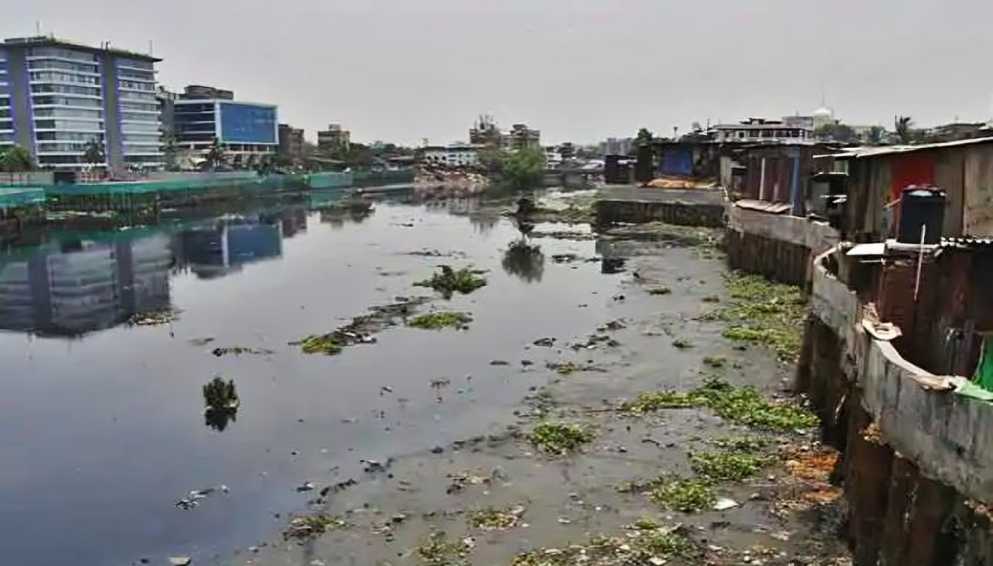

The ambitious Dharavi Redevelopment Project is set to bring a major transformation to the Mithi River, combining urban renewal with environmental conservation. The revival of Mumbai’s iconic river is expected to add a “Blue Revolution” to Dharavi’s proposed “Green Revolution”, creating a sustainable ecosystem in the heart of the city.
Mumbai has only a few rivers, including the Waldhuni and Poisar rivers in the northern parts of the city. However, the Mithi River remains the most recognised waterway among Mumbaikars as it flows through several important areas of the metropolis. Originating from the overflow of Vihar Lake and receiving additional water from Powai Lake, the 18-kilometre-long river passes through Powai, Sakinaka, Kurla, Kalina, Vakola, Bandra-Kurla Complex and Dharavi before meeting the Arabian Sea through Mahim Creek.
For years, the river remained largely ignored until the devastating floods of July 26, 2005, when Mumbai received 944.2 mm of rainfall in around 10 hours. The Mithi River overflowed, causing widespread flooding across suburban areas and exposing the consequences of years of neglect and encroachments.
The major issue behind the river’s deterioration has been its transformation into a dumping ground. Particularly between Kurla and Mahim, the river has faced severe pollution due to untreated waste, industrial discharge, plastic, discarded furniture, vehicle parts and other debris. The challenge has been to prevent waste from entering the river while balancing the limitations of government agencies and the need for public awareness.
Learning From The 2005 Floods
Following the catastrophic floods, experts and authorities acknowledged that blaming nature alone was not the solution. The Madhav Chitale Committee, headed by hydrologist and former Central Water Commission chairman Madhav Chitale, conducted a detailed study of the flooding and suggested measures to protect the river.
The committee recommended preventing activities that disturb the natural flow of the river, controlling encroachments along its banks, maintaining adequate drainage capacity and ensuring regular desilting of the riverbed.
Since then, efforts have increased to preserve the Mithi River as a living ecosystem rather than treating it merely as a drainage channel. Agencies including the Brihanmumbai Municipal Corporation, Mumbai Metropolitan Region Development Authority and the Mithi River Development and Protection Authority have undertaken various initiatives for river conservation.
Dharavi And Mithi’s Transformation
The redevelopment of Dharavi and the restoration of the Mithi River are closely connected. Both represent important aspects of Mumbai’s identity and require a coordinated approach for sustainable development.
Under the Dharavi redevelopment plan, the Mithi River will undergo comprehensive restoration through scientific waste management, sewage treatment systems and modern infrastructure. The project includes plans for a 3.3-kilometre riverside promenade, green belts, gardens and a central park.
The initiative aims to control pollution while also creating a new recreational and tourism destination for Mumbai. Global examples such as London’s Thames River and India’s Sabarmati Riverfront and Namami Gange programmes demonstrate how river restoration can redefine a city’s image.
With ongoing efforts by civic authorities and development agencies, the revival of the Mithi River through Dharavi redevelopment could become a landmark example of balancing urban growth with environmental preservation. The transformation of Dharavi and Mithi has the potential to give Mumbai a renewed identity as a global city with sustainable infrastructure at its core.
Source: Lokmat