
Mumbai is set to get four major road overbridges over the next two years, aimed at easing congestion at some of the city’s busiest railway crossings. The projects, collectively estimated at Rs 1,179 crore, are being developed jointly by the Brihanmumbai Municipal Corporation (BMC) and Maharashtra Rail Infrastructure Development Corporation (MRIDC).
Three of the upcoming structures will be cable-stayed bridges, while the Prabhadevi project will become Mumbai’s first double-decker road overbridge. The new bridges are replacing ageing structures that have become inadequate for the city’s growing traffic.
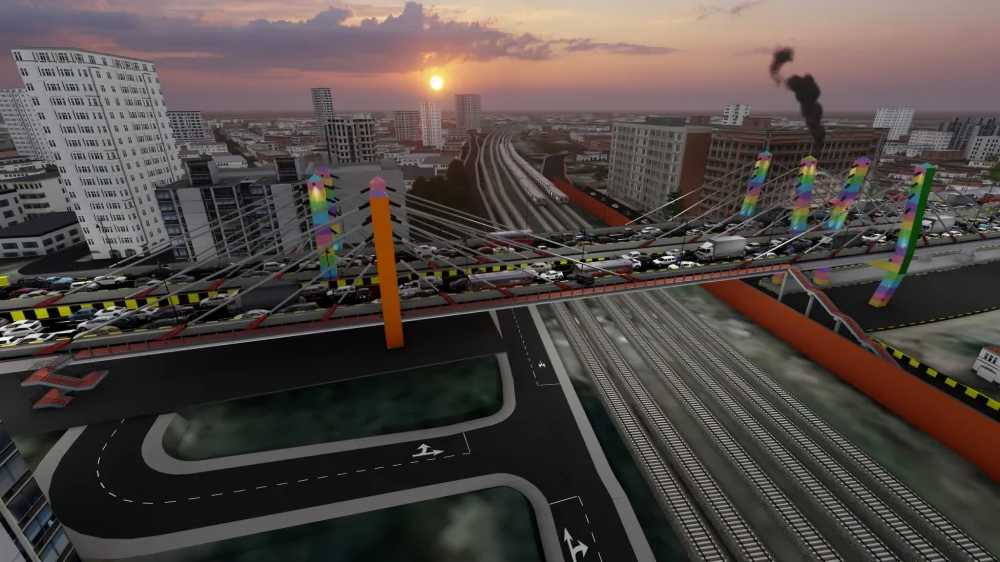
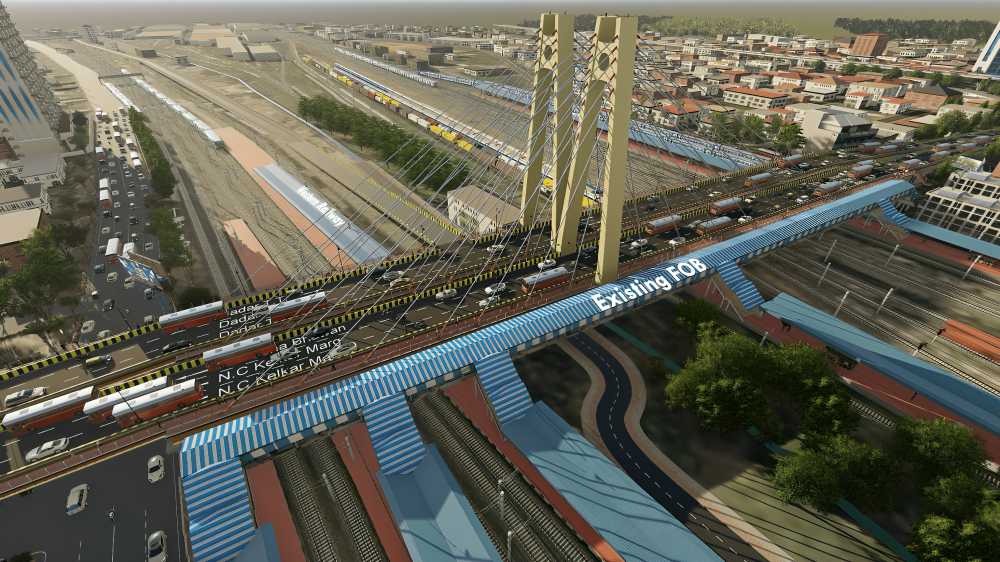
Tilak Bridge, Dadar
The 600-metre Tilak Bridge, built in 1925, is being replaced with a six-lane cable-stayed structure. The new bridge will have three times the capacity of the existing two-lane crossing.
The first three-lane arm is around 70% complete and is expected to open by April 2027. The entire bridge is targeted for completion by May 2027.
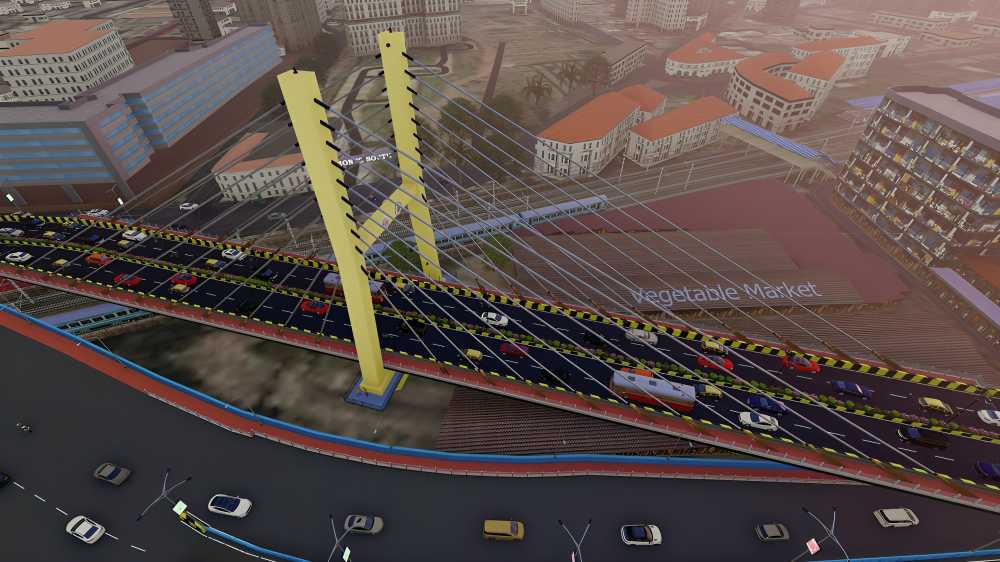
Y Bridge, Byculla
A 916-metre cable-stayed bridge is replacing the century-old Y Bridge to strengthen connectivity between Byculla and Dadar. A major engineering challenge involved installing a 1,500-tonne steel span above the Central Vegetable Market without affecting railway and market operations.
The bridge is expected to open by December 2026.
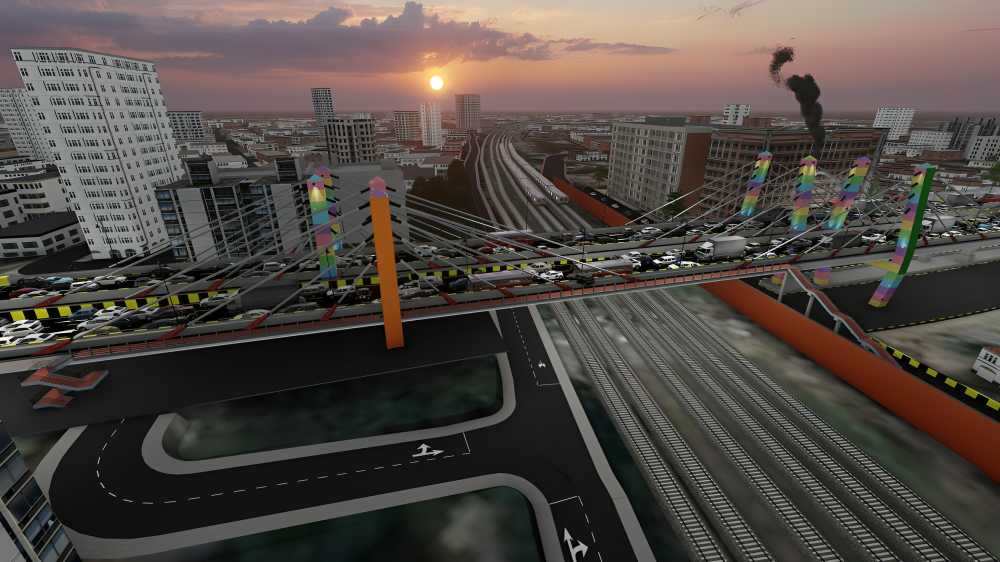
Ghatkopar Bridge
A six-lane cable-stayed bridge is being constructed across LBS Marg along the Andheri-Ghatkopar Link Road, connecting Ghatkopar East and West. Built at an estimated cost of Rs 350 crore, it will be the first cable-stayed road bridge in Mumbai’s suburbs.
The project is expected to be completed in 2027 and aims to reduce congestion on LBS Marg.
Prabhadevi Bridge
The 112-year-old Elphinstone Bridge is being replaced by Mumbai’s first double-decker road overbridge, which will also connect with the Sewri-Worli Connector. Both decks will have four lanes, with the lower level carrying local traffic and providing footpaths.
Foundation work and girder assembly are underway, with completion targeted for November 2026.
Building these structures over active railway lines requires extensive coordination, night blocks and careful traffic management. Once completed, the four bridges are expected to improve east-west connectivity and reduce congestion at key railway crossings across Mumbai.
Source: The Indian Express