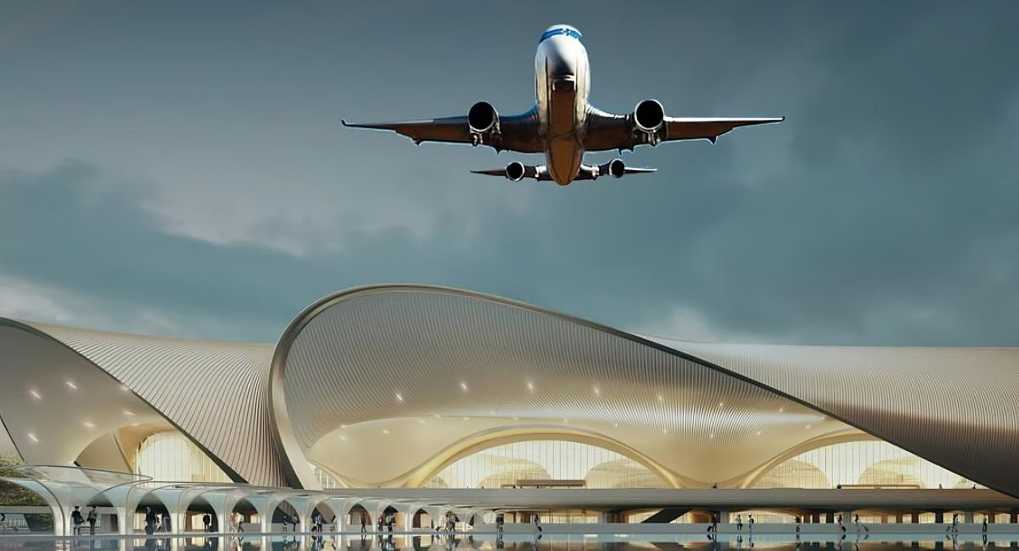

The Maharashtra government is preparing a time-bound roadmap to accelerate the development of an Innovation City near Navi Mumbai International Airport, a proposed 300-acre project being developed in partnership with the Tata Group and backed by a planned investment of USD 11 billion, a senior state official said on Thursday.
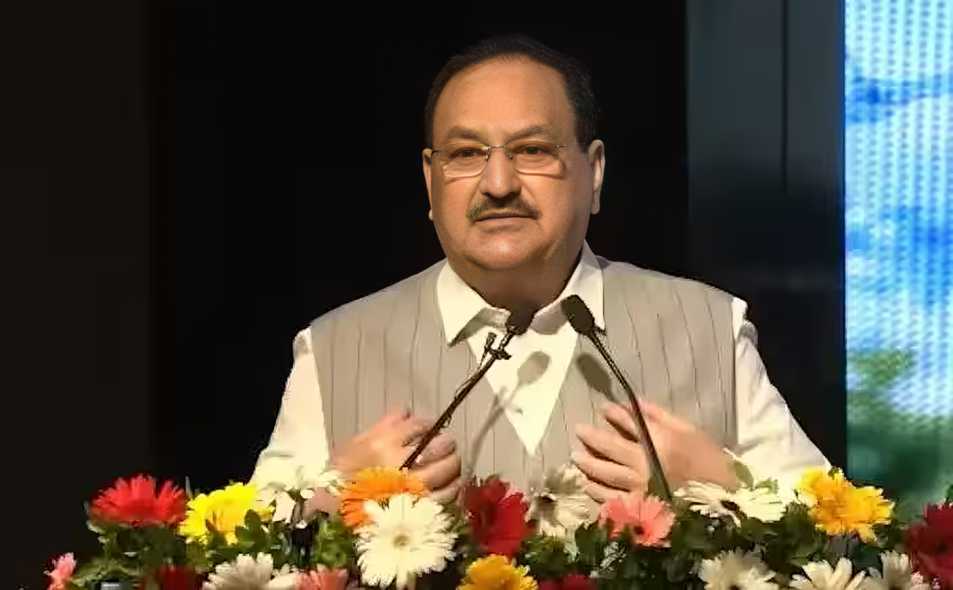
Speaking at the 6th Real Estate & Infrastructure Investors’ Summit (REIIS) 2026 organised by NAREDCO Maharashtra in Mumbai, Kaustubh Dhavse, Chief Advisor (Investments & Strategy) to the Chief Minister of Maharashtra, said the Innovation City is expected to house large-scale artificial intelligence (AI) data centres, high-performance computing facilities, semiconductor-related infrastructure and global capability centres (GCCs).
“The infrastructure that Maharashtra has created gives us an opportunity to take Mumbai, Maharashtra, and India to the next level. We now have the momentum; the task is to execute at scale, create the right environment,” Dhavse stated.
He highlighted data centres as a key component of the planned ecosystem, saying, “Maharashtra currently accounts for about 66% of India’s data-centre capacity, strengthening its position as a national digital-infrastructure hub,” Dhavse said.
The Innovation City is also expected to include universities, healthcare facilities and knowledge institutions to build the skilled workforce required by the AI, technology and advanced manufacturing sectors.
Dhavse said Maharashtra’s wider technology strategy includes six centres of excellence and AI Innovation Regions across the state. He stressed the importance of coordinated policy, investment and project execution.
“With Maharashtra emerging as a key driver of India’s growth, predictable policies, credible execution and infrastructure-led development will be crucial to translating investment interest into tangible economic outcomes”.
At the summit, Adani Enterprises Director Pranav Adani highlighted the opportunities emerging from India’s infrastructure expansion and rapid urbanisation. He said stronger integration between infrastructure and real estate would be necessary to create new economic centres and unlock the potential of developing urban corridors.
Raymond Realty Chairman Gautam Singhania said the real estate sector would remain central to India’s transition towards a USD 10 trillion-plus economy by 2047.
“With the sector already contributing over 7 per cent to GDP, infrastructure-led growth is reshaping Mumbai and the MMR, creating new economic and residential growth centres,” he said.
Singhania also called for increased institutional investment, easier financing for upfront development, a dedicated rental housing framework, GST rationalisation and quicker urban redevelopment.
NAREDCO India Chairman Niranjan Hiranandani said infrastructure expansion, urbanisation and emerging growth centres were driving a major transformation in real estate. He described Mumbai 3.0 as an opportunity to reshape the metropolitan region, with improved connectivity opening possibilities across residential, commercial, logistics and emerging sectors such as data centres.
Source: Rediff
Pic Credit: Flickr