
Mumbai’s proposed first desalination facility in Manori has triggered opposition from fishing and farming communities, who fear the project could damage marine ecosystems and threaten their traditional livelihoods. The Brihanmumbai Municipal Corporation (BMC) is moving ahead with preparatory work, while residents are demanding consultations before construction progresses.
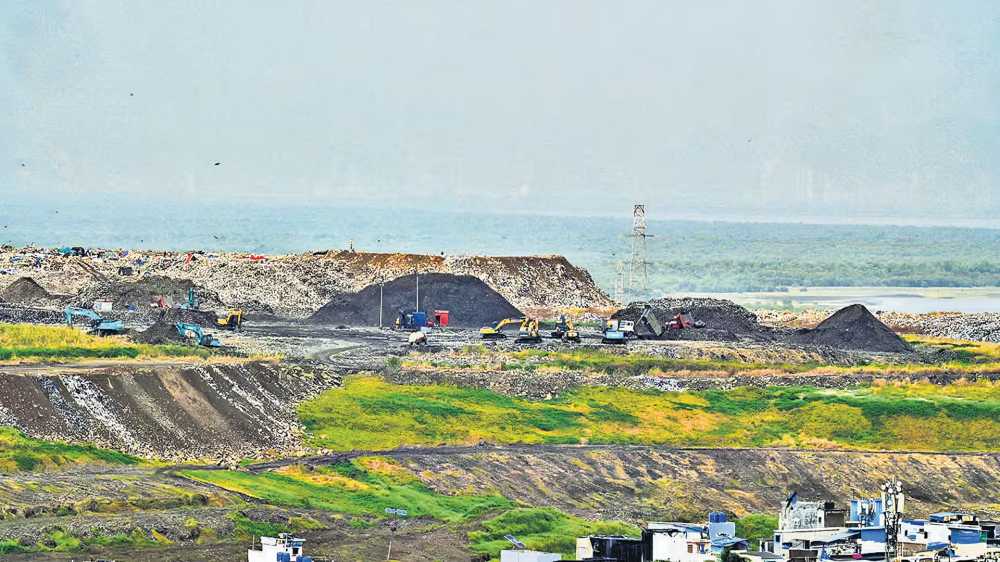
The 29-hectare project is planned on government land transferred to the BMC. Its initial phase is designed to produce 200 million litres of drinking water daily and is expected to serve up to 15 lakh people when operational by December 2029.
Residents became concerned after officials inspected the site in January 2026. Some villagers subsequently consulted fishermen from Chennai’s Nemmeli desalination plant to understand its possible environmental effects.
“The fisherfolk who were based around Chennai’s Nemmeli desalination plant told us how they had faced sea erosion and pollution. We mapped our boats, sought information from authorities and realised that our fish catchment and livelihoods could be similarly affected by the new desalination plant in our backyard,” said Switsy Henriques, president of the Gorai Villagers Welfare Association.
On October 19, more than 800 residents and fishermen approached the collector’s office, seeking suspension of the project until their concerns were discussed.
Concerns over marine life and agriculture
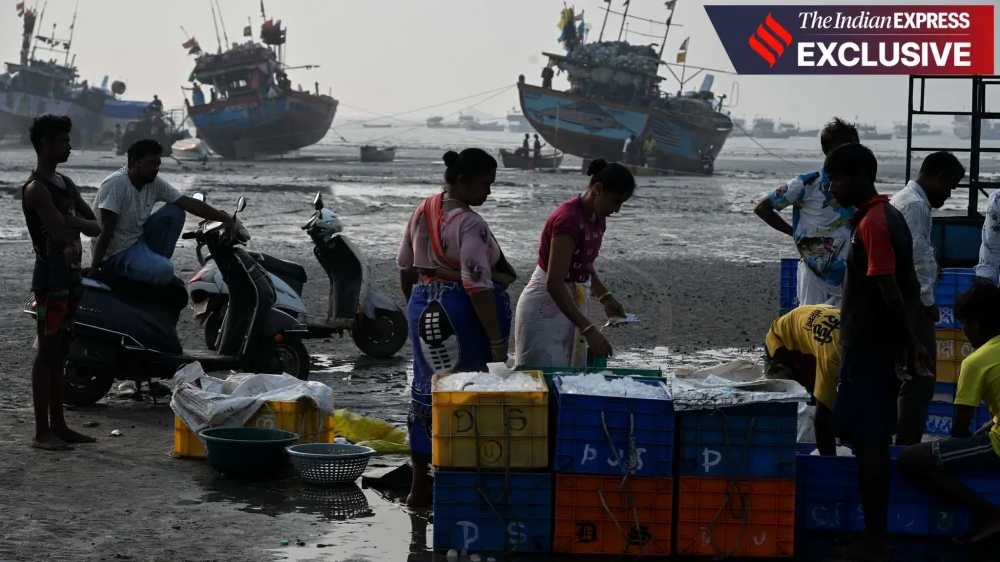
Fishermen fear seawater intake could affect fish eggs and breeding grounds, while the discharge of concentrated brine may alter coastal conditions. Communities across Manori, Gorai, Uttan, Pali, Dongri and Chowk have raised concerns about potential losses to fishing, trading and related businesses. Farmers are also worried that increased salinity could affect their crops.
The BMC maintains that the facility will use reverse osmosis technology and incorporate safeguards, including screened intake systems and controlled discharge. Additional Municipal Commissioner Abhijit Bangar said the intake design would minimise harm to marine species.
A senior civic official said, “We have been taking efforts to address all the fisherfolks worries. All our findings have been scientifically backed.”
The estimated project cost is Rs 4,077 crore. Residents, however, continue to seek transparent discussions, insisting that the city’s water security should not come at the expense of coastal livelihoods.
Source: The Indian Express