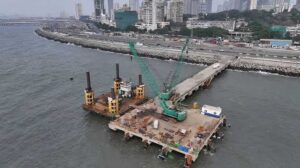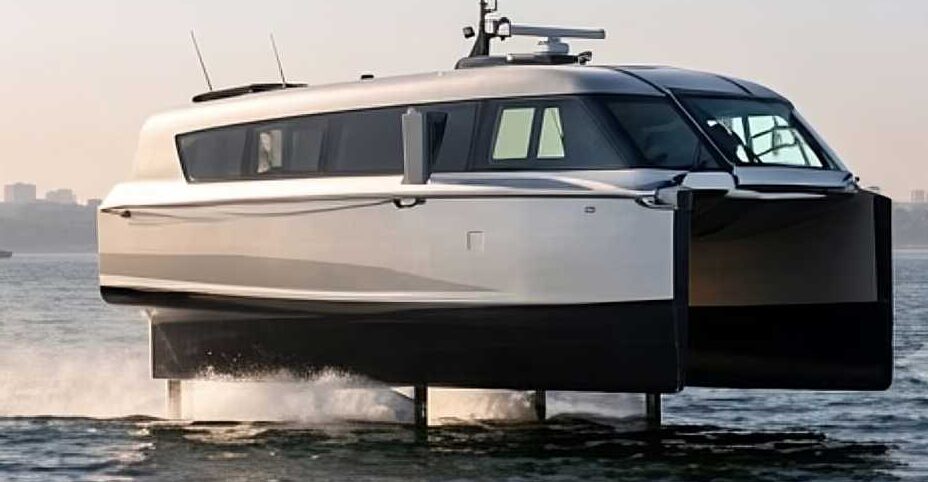

Mumbai’s water transport network could soon offer a faster alternative to congested roads, with Sweden-based marine technology company Candela bringing its P-12 electric hydrofoil ferry to the city. The vessel, described as India’s first electric hydrofoil ferry of its kind, is expected to reduce travel time between the Gateway of India and Navi Mumbai International Airport to approximately 30 minutes.
The ferry has arrived in Mumbai following successful sea trials, with a media demonstration scheduled to begin on November 30, 2026. The proposed service could significantly cut the journey, which currently takes nearly two hours by road during busy periods.
Ferry Can Carry 30 Passengers
Candela’s P-12 operates at a speed of around 25 knots, equivalent to approximately 46 kmph, and can accommodate up to 30 passengers. Unlike conventional boats, it uses computer-controlled hydrofoils fitted beneath the hull.
As the vessel gathers speed, these underwater wings lift its main body above the water surface, reducing drag and allowing it to travel more efficiently. The technology is claimed to consume up to 80% less energy than conventional boats and generate fewer waves. This could also help minimise disturbances to other vessels navigating Mumbai Harbour.
The ferry is designed to provide a smoother ride in varying water conditions and can be charged using a standard electric car charger.
More Routes Under Consideration
Apart from the proposed Gateway of India–Navi Mumbai Airport connection, services linking South Mumbai with Elephanta Island and Alibaug are also being explored. The initiative could provide commuters and tourists with additional travel options across the Mumbai Metropolitan Region.
The project follows a Maharashtra government delegation’s visit to Sweden in October 2025, led by state Ports Minister Nitesh Rane, to study the technology and explore maritime cooperation.
Amber Ayade, Managing Director of Rural Enhancers Group, and Vedant Chaudhary, Managing Director of Sadhva Shipya, who own the ferry, believe the technology can reduce journey times and pollution.
However, regular operations will depend on government approvals, operating costs and passenger fares, which are yet to be finalised. The proposed service could offer Mumbai an additional sustainable transport option if these requirements are addressed.
Source: Nav Bharat