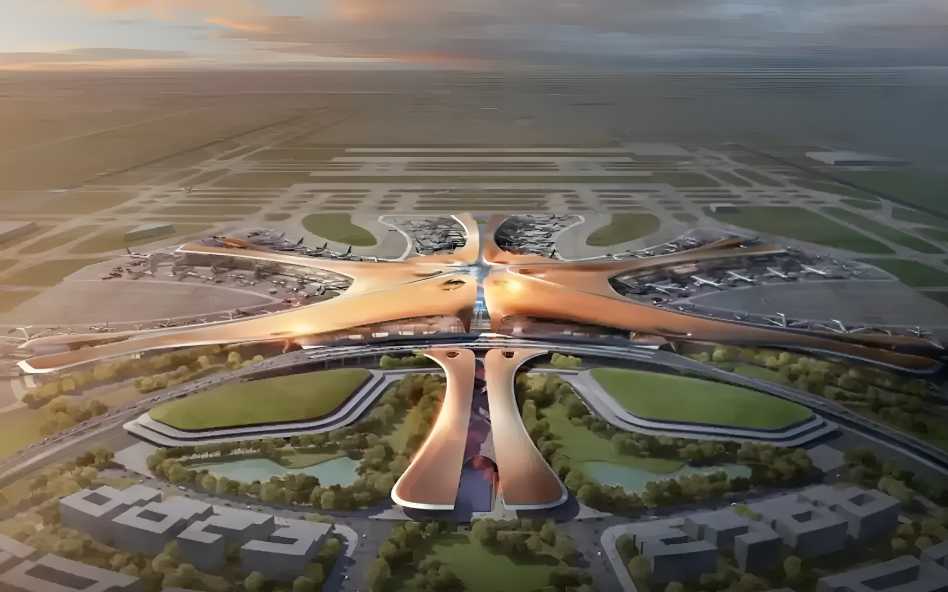

December 23, 2025: Mumbai’s aviation landscape is set for a major upgrade with the Navi Mumbai International Airport scheduled to begin commercial operations on December 25. The long-awaited facility is expected to ease mounting pressure on the city’s overstretched air traffic network and significantly enhance regional connectivity.
Developed by Adani Airport Holdings, the airport will initially be capable of handling 20 million passengers annually, marking a crucial milestone in Mumbai’s decades-long plan to establish a second international airport. The project is seen as a strategic addition to the Mumbai Metropolitan Region’s infrastructure, especially as air travel demand continues to rise steadily.
At the time of launch, the airport is expected to handle around 30 flights a day. IndiGo is likely to be among the first carriers to operate from the new hub, with services planned to domestic destinations such as Nagpur and other regional cities. Authorities have indicated that flight frequency and destinations will be increased gradually, in line with infrastructure readiness and airline preparedness.
This phased rollout aims to ensure smooth operations while allowing airlines to progressively shift part of their capacity to Navi Mumbai. Over time, the airport is expected to play a central role in redistributing air traffic across the region.
The opening of the new airport is anticipated to bring much-needed relief to Chhatrapati Shivaji Maharaj International Airport, which has been handling nearly 55 million passengers annually for close to a decade. With limited scope for further expansion at the existing airport, Navi Mumbai is considered vital for sustaining long-term growth in both passenger and cargo traffic.
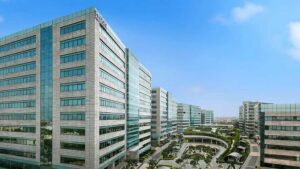
Expansion plans are already underway. Adani Airport Holdings has proposed a second terminal in the next phase of development. Once fully built out, the airport is expected to accommodate significantly higher passenger volumes and emerge as a major aviation hub. Beyond aviation, plans also include an integrated aerocity featuring offices, hotels, and a 25,000-seat indoor arena, designed to create a vibrant commercial ecosystem around the airport.