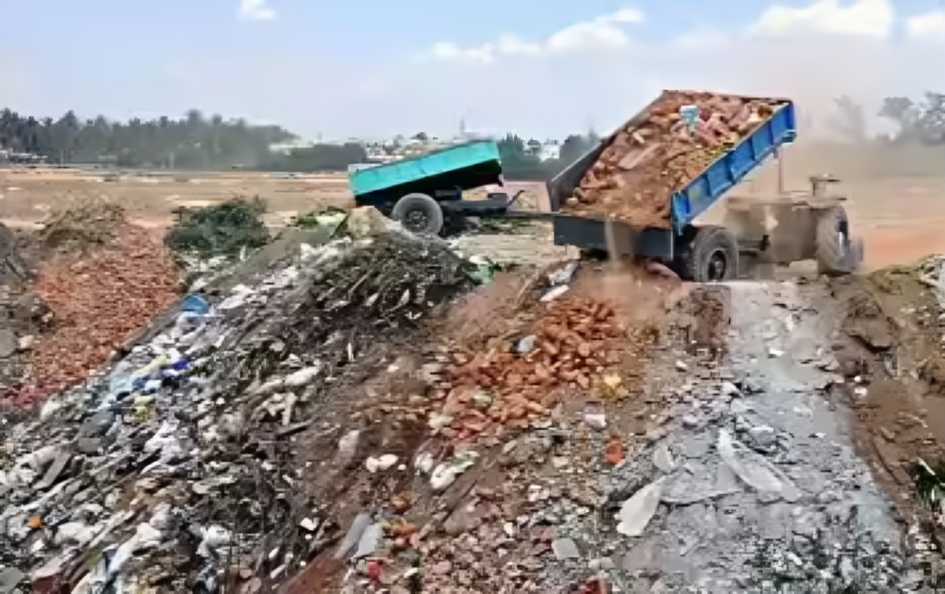

Amid a sharp rise in redevelopment-led construction activity, the Brihanmumbai Municipal Corporation (BMC) has rolled out a comprehensive standard operating procedure (SOP) to streamline the management of construction and demolition (C&D) waste across the city.
Under the new guidelines, all developers, contractors, infrastructure agencies, and government bodies must segregate waste at the source into two distinct categories—excavation material and construction debris. Excavation material includes soil, murum, and earth, while C&D waste refers to debris generated from building and demolition activities. Mixing these categories has been strictly prohibited, with full responsibility placed on the waste generator. Violations will attract penalties of up to Rs 25,000 per vehicle per instance, with stricter action for repeated non-compliance.
To enhance oversight, the BMC has made it mandatory for transporters handling such waste to install vehicle tracking and monitoring systems (VTMS). This will enable real-time tracking of waste movement from its origin to designated disposal sites. Vehicles without active tracking systems will be denied entry to disposal facilities.
Officials noted that Mumbai currently has over 2,000 ongoing construction projects, making tighter regulation critical. All projects, including those cleared via the civic body’s AutoDCR system, must now submit a detailed waste management plan outlining expected quantities of excavation and debris.
Disposal will only be allowed at authorised recycling plants or designated locations such as Deonar dumping ground, while transporting waste outside city limits has been banned. The city currently operates two recycling plants in Dahisar and Shilphata, with a combined capacity of 1,200 tonnes per day.
Additionally, large infrastructure and government projects must furnish a security deposit or bank guarantee of Rs 25 lakh or 0.1% of the project cost, refundable upon verified compliance. The BMC has also standardised processing charges and introduced a digital approval system, while promoting the the reuse of excavated material to support circular economy practices and reduce the landfill burden.
Source: The Times of India