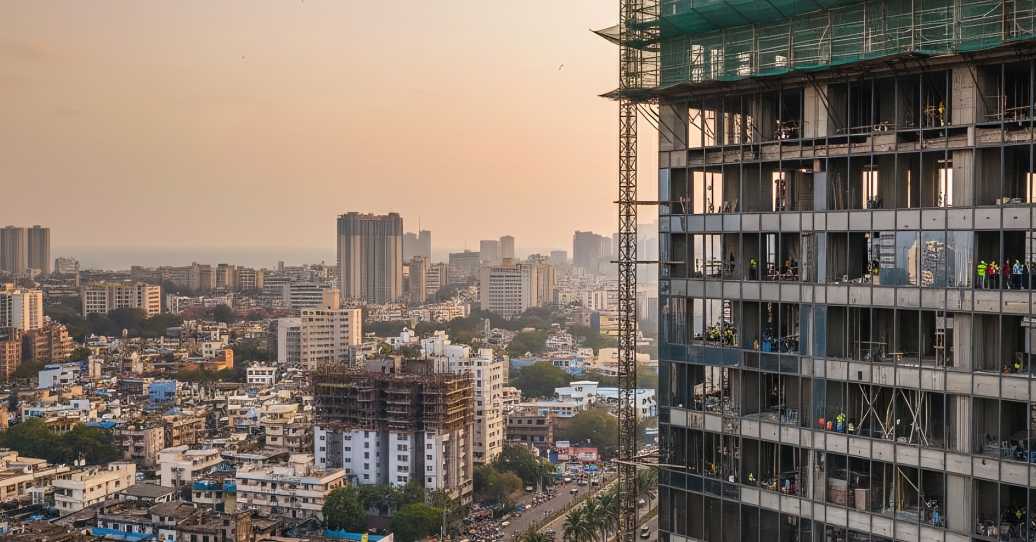

Mumbai’s redevelopment story today is less about rebuilding homes and more about managing expectations. What looks like a clear policy framework often turns into prolonged friction on the ground over consent, compensation, and control.
Redevelopment is usually presented as a solution to Mumbai’s ageing buildings, many of which are structurally old and in urgent need of renewal. But in reality, it plays out as a complex negotiation between residents, developers, and authorities. Policy changes, such as allowing projects to move ahead with 51% consent, were meant to speed things up. While this has made it easier to get initial approvals, it has not ensured that everyone is on the same page. In many cases, projects begin with agreement on paper but run into disagreements soon after.
A recent example is the Taximen’s Colony redevelopment in Bandra, which has faced delays despite early momentum. The project, involving a large residential community, ran into trouble as some residents raised concerns over the terms being offered. Issues around compensation, housing benefits, and trust in the developer created divisions within the society. Even with partial agreement in place, the lack of full consensus slowed progress, showing how fragile redevelopment deals can be once disagreements surface.
This pattern reflects a larger shift. Redevelopment is no longer just about getting a safer or newer home. In the Mumbai Metropolitan Region (MMR), where the average housing ticket size is about Rs 1.6 crore, residents increasingly see redevelopment as a chance to significantly upgrade their financial position and lifestyle. As a result, demands have become more ambitious. Societies often expect 20 to 30% larger homes, higher one-time payouts, and rent compensation that can stretch over two to three years, especially when projects are delayed.
A similar situation has played out across several MHADA layout redevelopments in central Mumbai, where projects have gone through multiple rounds of developer selection and renegotiation. In some cases, societies have changed developers after initial agreements, seeking better financial terms or improved offers. These repeated resets not only delay projects but also increase uncertainty for all parties involved. What starts as redevelopment often turns into prolonged bargaining.
For developers, however, there are clear financial limits. Redevelopment in Mumbai is expensive, with high land values, rising construction costs, and significant regulatory charges. Industry estimates suggest that approval-related costs alone can make up 25 to 30% of the total project cost. This leaves limited room to accommodate ever-increasing demands from residents, widening the gap between what is expected and what is feasible.
This gap is made worse by uneven execution across the system. Government bodies like the Slum Rehabilitation Authority (SRA) have enabled large-scale redevelopment, but delays, funding challenges, and stalled projects have also affected confidence. Even with regulations such as the Real Estate (Regulation and Development) Act improving transparency, they have not fully resolved disputes. Instead, conflicts are now more formal and often take longer to settle.
The result is a redevelopment process that is slower and more contested than intended. Crossing the 51% consent mark may allow a project to move forward legally, but it does not prevent objections, legal challenges, or fresh negotiations. In a city where a large share of older housing depends on redevelopment, these delays have wider consequences for housing supply and urban growth.
Ultimately, Mumbai’s redevelopment challenge is not about a lack of policy but a lack of alignment. Consent on paper is not the same as agreement in practice. Until trust improves and expectations become more realistic, redevelopment will continue to be shaped as much by conflict as by construction.