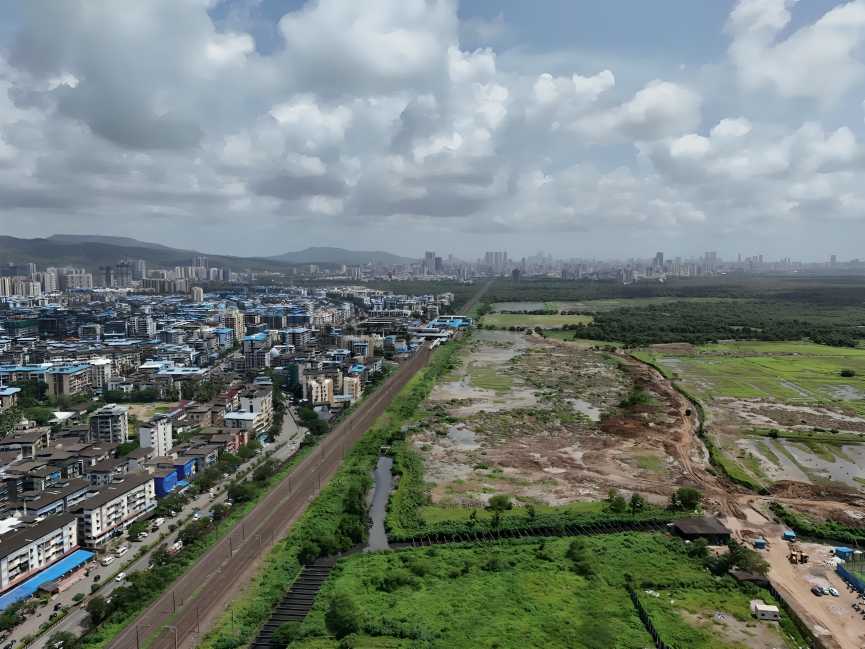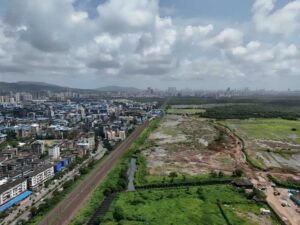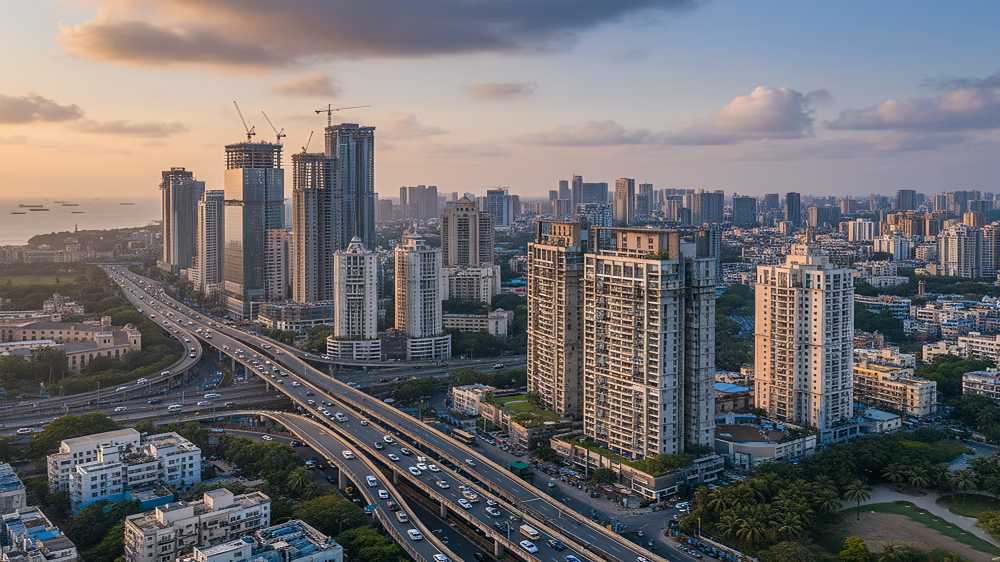

Mumbai’s residential market is increasingly being shaped by redevelopment. With land availability across the city becoming increasingly constrained, redevelopment has emerged as one of the primary drivers of new housing supply. With nearly 70% of Mumbai’s land already built up, the city’s growth focus has decisively turned inward, making redevelopment the most practical and scalable route for future expansion.
The government has also been actively pushing redevelopment through policy reforms designed to create a win-win framework for both existing housing societies and developers. By creating greater regulatory clarity, streamlining approval processes, and reducing approval-related uncertainty, these interventions have significantly improved execution visibility for all stakeholders.
Today, more than 900 redevelopment projects are underway across the Mumbai Metropolitan Region, particularly across established residential micro-markets such as Dadar, Mahim, Bandra, Andheri, Borivali, and Chembur. This reflects a clear structural shift in the city’s development cycle, where future growth is being unlocked through urban renewal rather than greenfield expansion. Since 2020, over 910 societies have signed redevelopment agreements, collectively unlocking more than 320 acres of urban land. By 2030, this is expected to generate a fresh housing supply worth nearly Rs 1.3 lakh crore, with approximately 73% of Mumbai’s new housing stock projected to come from society redevelopment.
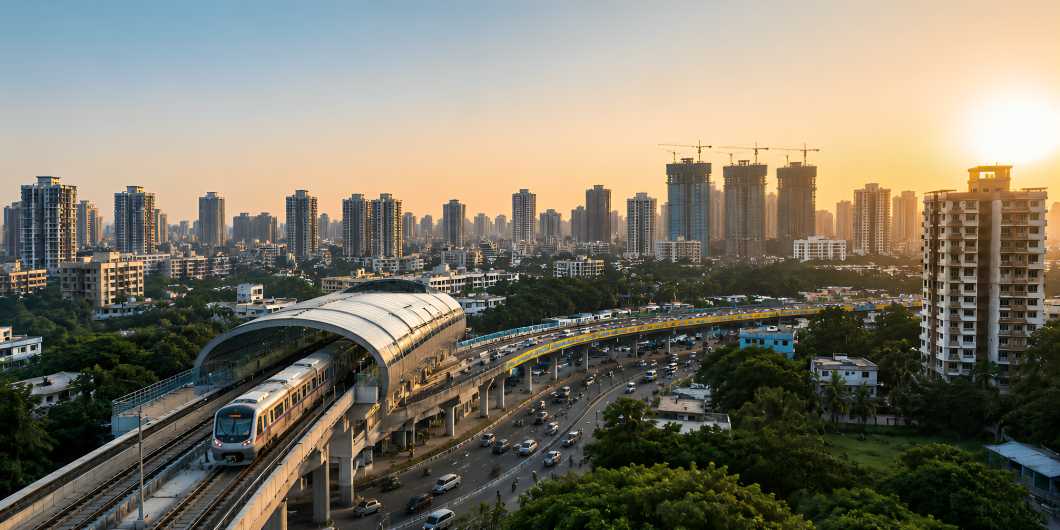
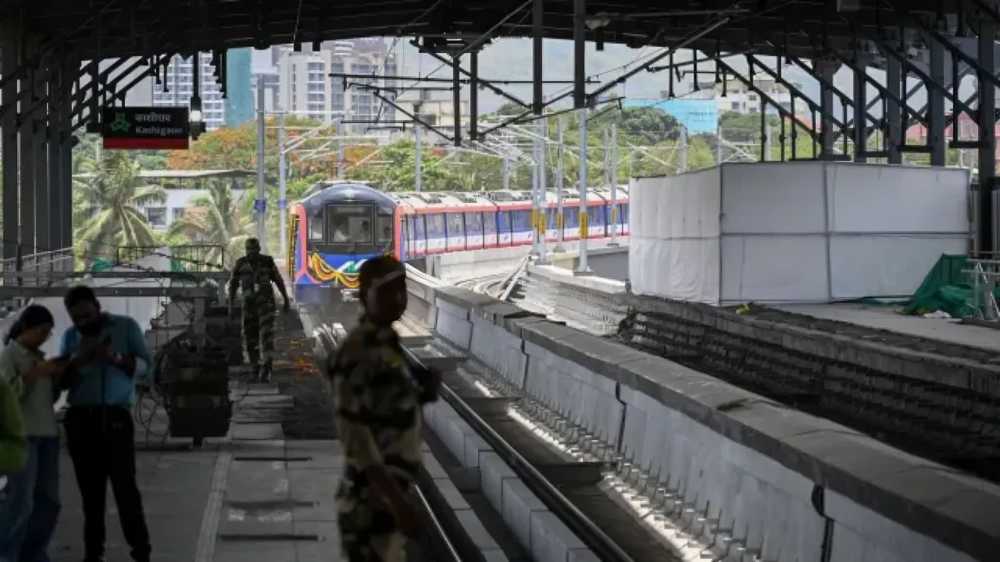
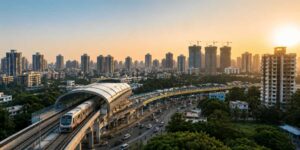
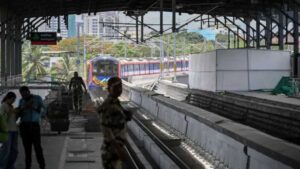
This momentum is unfolding alongside one of Mumbai’s most ambitious infrastructure transformation phases. The expansion of the Mumbai Metro network, including the underground Metro Line 3 corridor connecting Andheri, Bandra, and Churchgate, along with the Coastal Road, Mumbai Trans Harbour Link, and key east-west connector projects, is redefining mobility across the city. These infrastructure interventions are significantly reducing travel time and improving access between residential zones and commercial districts, gradually transforming Mumbai into a series of highly connected urban corridors.
This shift in connectivity is directly influencing residential demand patterns. Homebuyers today are evaluating real estate through a far more evolved lens. For today’s buyer, the decision is no longer just about owning a home; it is about choosing an ecosystem that offers connectivity, convenience, and long-term liveability. Proximity to transit infrastructure, seamless access to business districts, strong social infrastructure, and thoughtfully planned amenities have become central to purchase decisions.
Redevelopment projects also tend to attract highly credible and established developers, where delivery capabilities, execution quality, and long-term trust are far more assured. This is particularly critical for societies evaluating redevelopment partnerships, as execution certainty has become just as important as commercial value creation.
This is where the limitations of traditional standalone redevelopment are becoming increasingly visible. While standalone projects have played a crucial role in modernising Mumbai’s residential stock, they primarily address replacement value through upgraded apartments and improved structural infrastructure. However, they often do not fully respond to the broader lifestyle and functional requirements that define urban living today.
The next phase of redevelopment must therefore evolve toward integrated and amenity-led development formats. Larger redevelopment frameworks allow for better land optimisation and create opportunities to deliver open spaces, wellness infrastructure, recreational amenities, and stronger community planning. These are no longer optional features; they have become essential components of residential value creation in a city where time, accessibility, and convenience define quality of life.
At Paranjape Schemes, we are seeing this momentum translate into strong redevelopment opportunities across Mumbai. We are currently executing three redevelopment projects in the city, with two scheduled for successful completion this year. Additionally, we are in active discussions for another two to three redevelopment opportunities, reflecting both growing market confidence and the increasing preference for experienced developers in this segment.
This evolution is also central to Mumbai’s broader economic role. As Maharashtra advances toward its USD 1 trillion economy ambition, Mumbai will continue to serve as the state’s primary growth engine. Supporting this economic expansion will require residential ecosystems that are aligned with the expectations of a more mobile, connected, and aspirational urban population.
Mumbai’s redevelopment story is no longer just about rebuilding structures. It is about reimagining how the city lives. The projects that will define the next chapter of Mumbai’s growth will be those that move beyond standalone housing and create connected, future-ready communities built for the way the city is evolving.

- The author of the article is the Director of Business Development at Paranjape Schemes (Construction) Limited