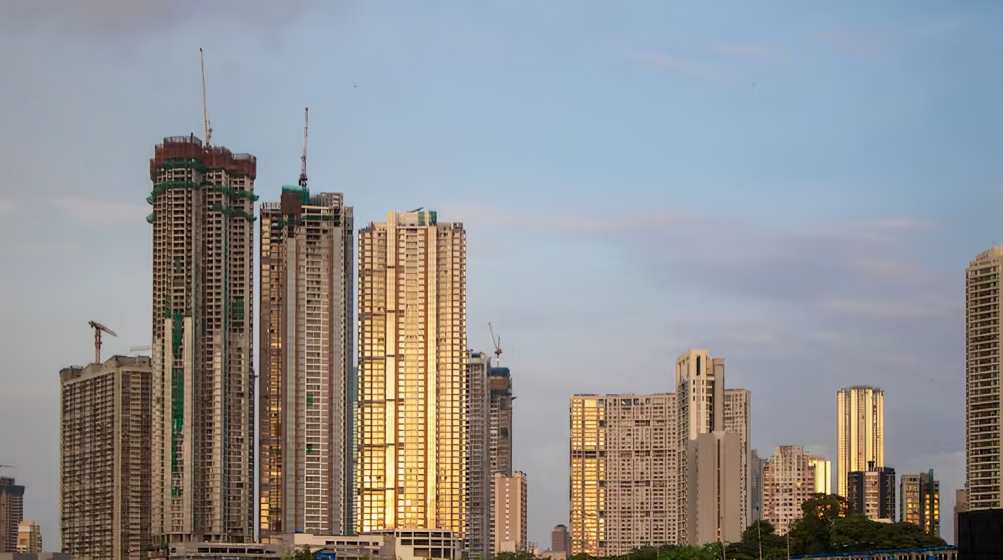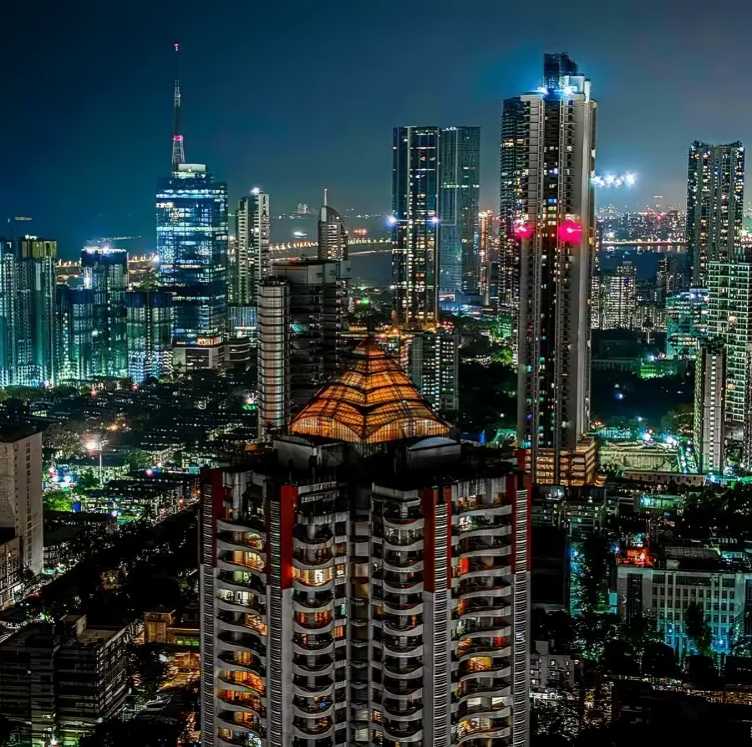

Mumbai is entering one of the most transformative phases in its modern history, with several large-scale infrastructure projects reshaping the city simultaneously. From the Mumbai Trans Harbour Link and Coastal Road to expanding metro corridors, the upcoming Navi Mumbai International Airport and the redevelopment of Dharavi, the city is witnessing an urban shift that could redefine its future for decades.
According to Ashwinder R. Singh, who is widely regarded as one of the prominent faces of India’s real estate sector, the 2020s could become Mumbai’s defining decade — not because of a single landmark project, but because multiple infrastructure developments are arriving together and collectively reshaping mobility, urban growth and economic geography across the Mumbai Metropolitan Region.
Urban experts increasingly compare Mumbai’s current phase with historic transformations seen in global cities such as New York during the 1930s and Singapore in the 1980s, where simultaneous infrastructure expansion fundamentally altered how cities functioned and evolved.
However, Singh argues that infrastructure alone cannot solve Mumbai’s deeper structural challenges. While metro networks and expressways may improve connectivity, he believes housing affordability, land-use reforms and governance efficiency remain equally important for the city’s long-term liveability.
Experts note that connectivity upgrades often lead to sharp increases in land prices. Emerging regions such as Panvel, Ulwe and Dronagiri are expected to benefit from projects like the trans-harbour link and Navi Mumbai airport, but rising prices could eventually reduce affordability for middle-income homebuyers.
Singh also points out that Mumbai’s decentralisation story remains incomplete. While commercial growth is gradually spreading towards Navi Mumbai and Thane, South and Central Mumbai continue to retain strong institutional and financial dominance.
Urban planners further stress that successful transit-oriented development requires more than transport infrastructure. Walkability, affordable housing, public spaces and integrated planning around metro corridors will play a critical role in determining whether Mumbai’s transformation becomes inclusive and sustainable.
Experts caution that fragmented governance across multiple agencies could emerge as one of the biggest execution challenges. They believe the success of Mumbai’s infrastructure cycle will ultimately depend on coordination, long-term planning, and whether growth benefits extend beyond premium urban pockets into the broader metropolitan region.
Source: Republic World