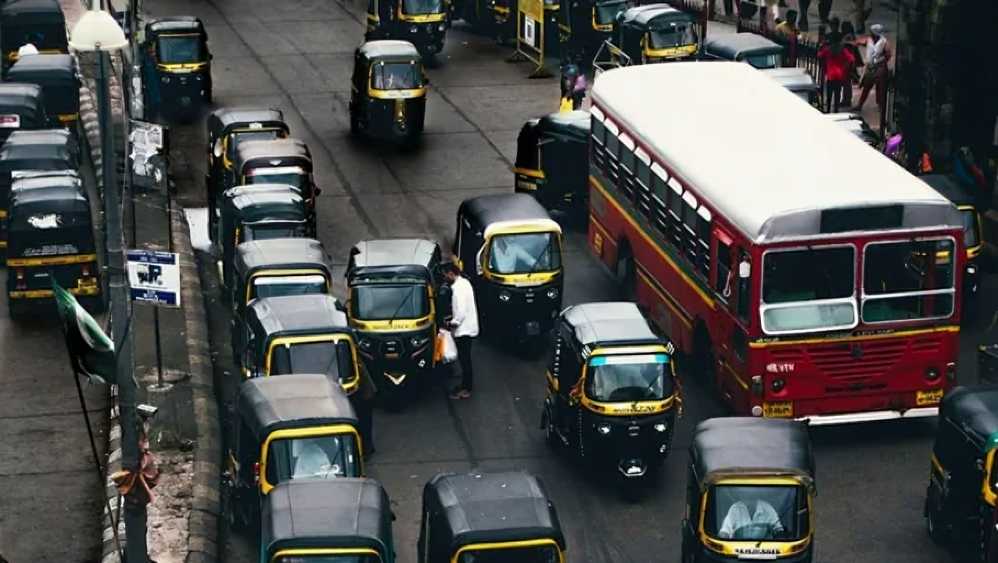

For most professionals relocating between major Indian cities, the expected culture shocks usually revolve around traffic congestion, rising rents, or commuting challenges. But for talent acquisition manager Mayank Kumar, who recently moved from Bengaluru to Mumbai, the biggest surprise turned out to be something far more ordinary on the surface yet striking in experience: the city’s auto rickshaw culture.
In a widely circulated LinkedIn post, Kumar shared how a simple interaction with an auto driver in Mumbai reshaped his perception of everyday commuting and even offered a lesson in customer experience and empathy.
“Shifted from Bangalore to Mumbai recently. And unexpectedly… the biggest culture shock wasn’t traffic, weather, or rents. It was auto rickshaws,” he wrote.
Reflecting on his experience in Bengaluru, Kumar noted that securing an auto ride often felt like a prolonged negotiation process. “Back in Bangalore, booking or stopping an auto sometimes felt like clearing a final interview round,” he said, adding that commuters frequently encounter refusals, requests for cash-only payments, or drivers declining to use meters.
In contrast, he described Mumbai’s experience as noticeably more straightforward and courteous. “Mumbai though? Completely different experience,” he added.
Kumar recounted a specific incident during his stay in the city when he was lodged at a hotel located uphill, requiring what he called “a mini trekking expedition uphill” just to reach the main road. On one such day, he approached an auto driver who had just completed a drop and requested a ride towards Lokhandwala.
Although the driver declined the ride, the reason was communicated with clarity and politeness. “He politely said: ‘Sorry sir, I have another schedule at 10:30. If I take your ride, I won’t make it back in time,’” Kumar wrote.
What followed left a lasting impression on him. Despite refusing the fare, the driver voluntarily offered to drop him to the main road without charging anything, prioritising courtesy over transaction.
The experience, Kumar suggested, highlighted a subtle but powerful difference in everyday service interactions, where professionalism and empathy can coexist even in the most routine urban exchanges.
Source: Hindustan Times