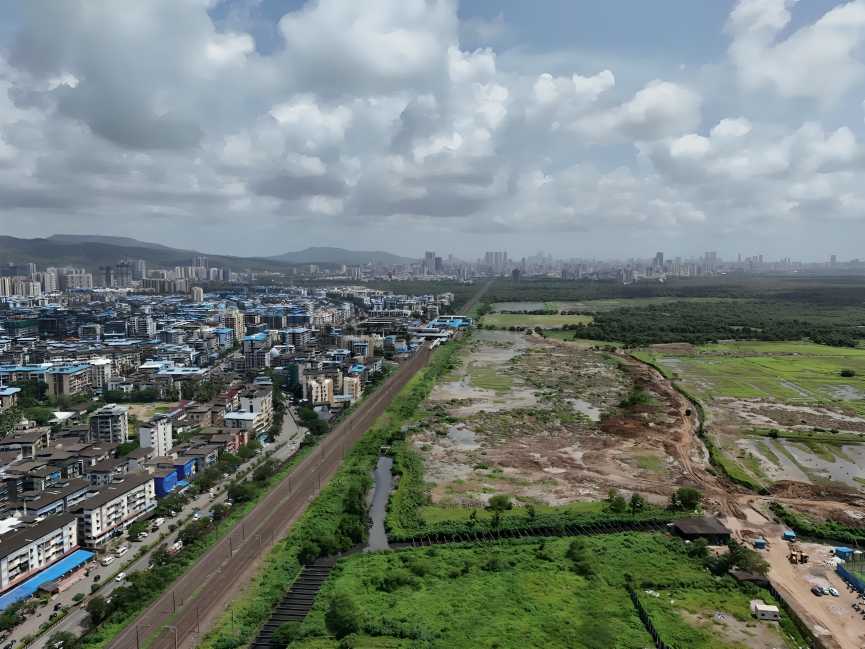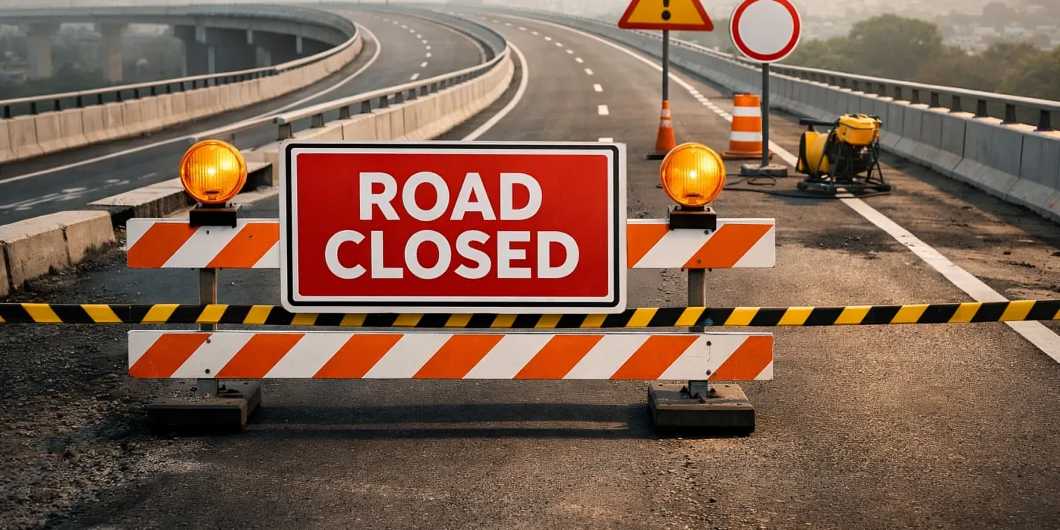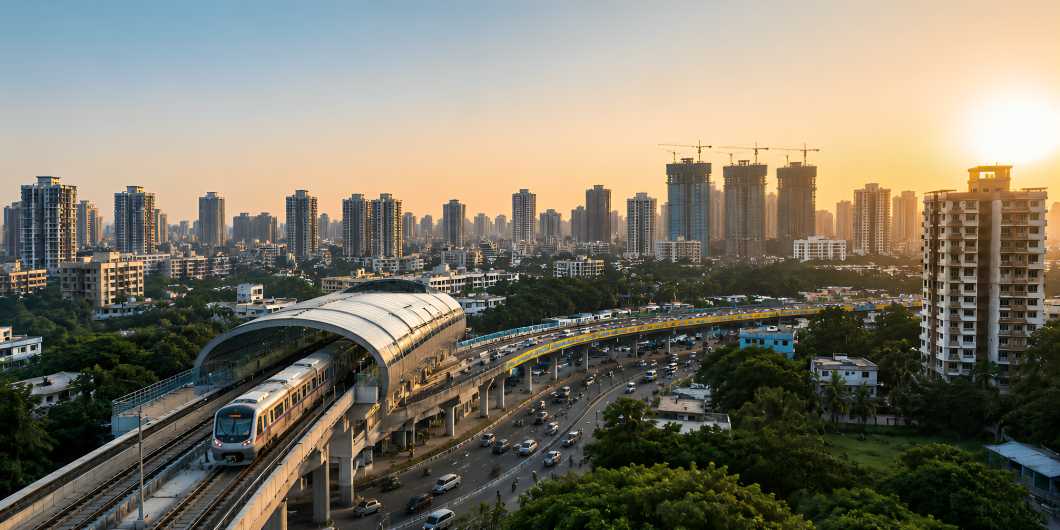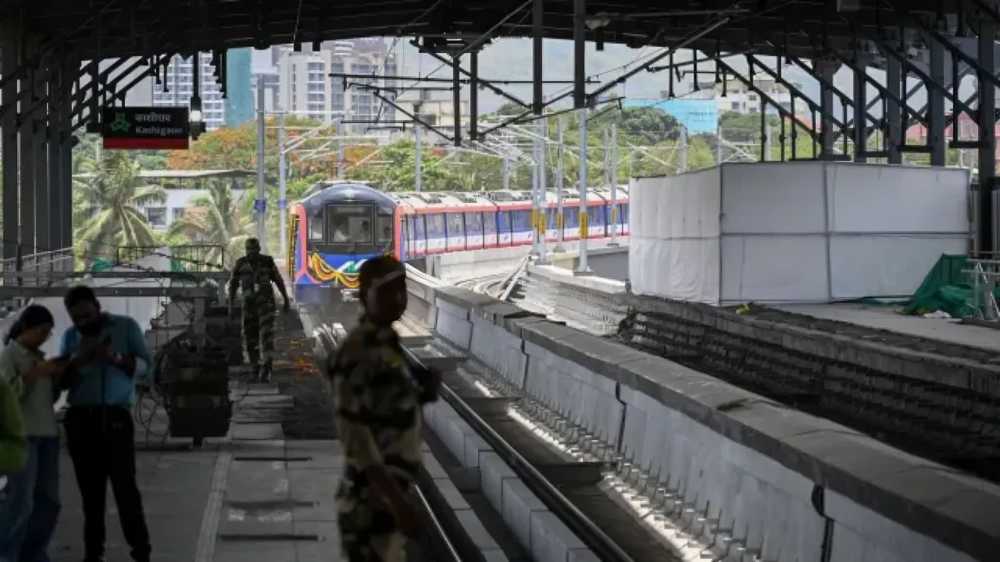

Mumbai’s civic administration is considering an ambitious expansion of its road concretisation programme, proposing an additional 200 kilometres of cement concrete roads across the city. The move reflects a continued transition away from asphalt surfaces towards more durable alternatives, though concerns persist over execution timelines, funding, and public inconvenience.
The proposal is currently under internal evaluation, with officials assessing financial viability before proceeding to the tendering stage. This cautious stance comes as several stretches under the existing programme remain incomplete. Urban planners note that while concrete roads offer longer life spans and reduced maintenance, their implementation requires careful planning to avoid extended disruption to daily life.
At present, less than half of the roads identified under the ongoing concretisation drive have been completed, with many projects either in progress or yet to commence. Authorities have shortlisted the next 200 km based on road condition surveys, focusing on older and heavily used corridors. However, officials appear keen to prioritise the completion of current works before scaling up the initiative.
In parallel, smaller infrastructure upgrades continue at the ward level. Recent tenders for internal roads in suburban areas indicate a phased approach, with execution expected after the monsoon due to challenges associated with construction during heavy rains.
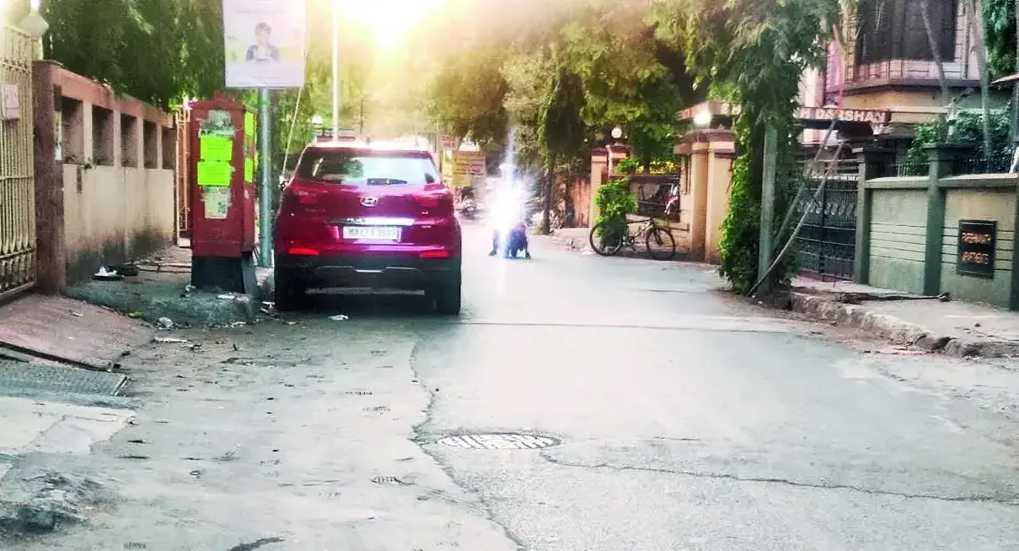
The push for concretisation is being positioned as a long-term solution to Mumbai’s persistent pothole problem, which has affected mobility, safety, and economic activity. Cement concrete roads are generally more resistant to water damage, potentially reducing the need for frequent repairs. However, experts caution that environmental gains will depend on sustainable material use and alignment with broader climate-resilient planning.
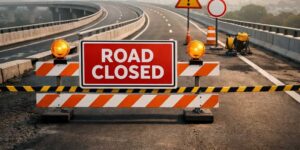
Social concerns also remain. Prolonged roadworks often disrupt pedestrian movement, public transport, and local businesses, disproportionately affecting vulnerable communities. Analysts stress the importance of inclusive planning, improved communication, and better last-mile connectivity during construction phases.
With the monsoon nearing, the administration’s immediate focus is on completing ongoing works, while the future expansion will hinge on financial approvals and effective execution.
Source: Urban Acres